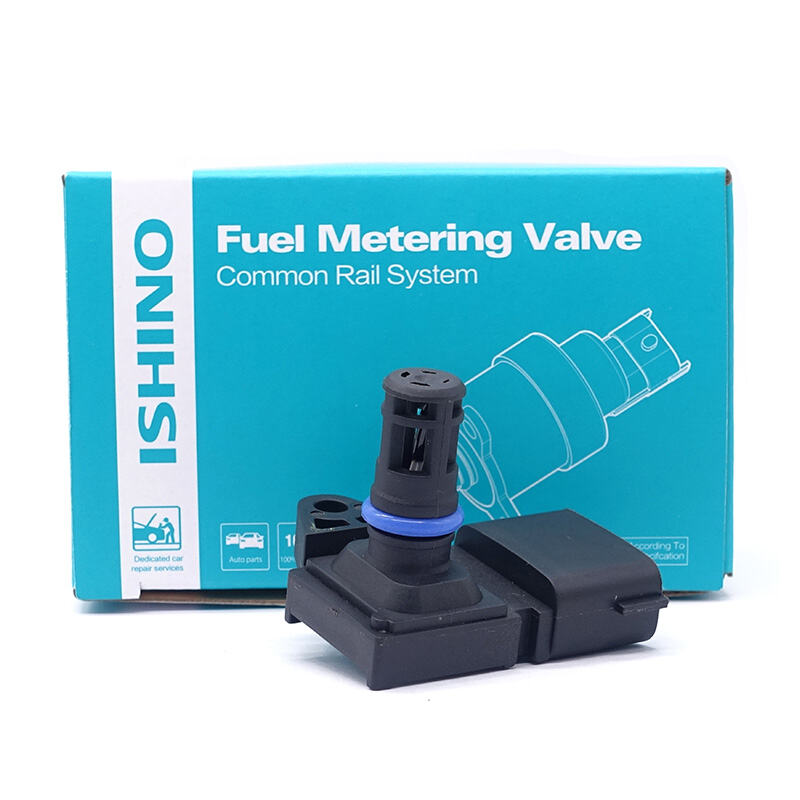
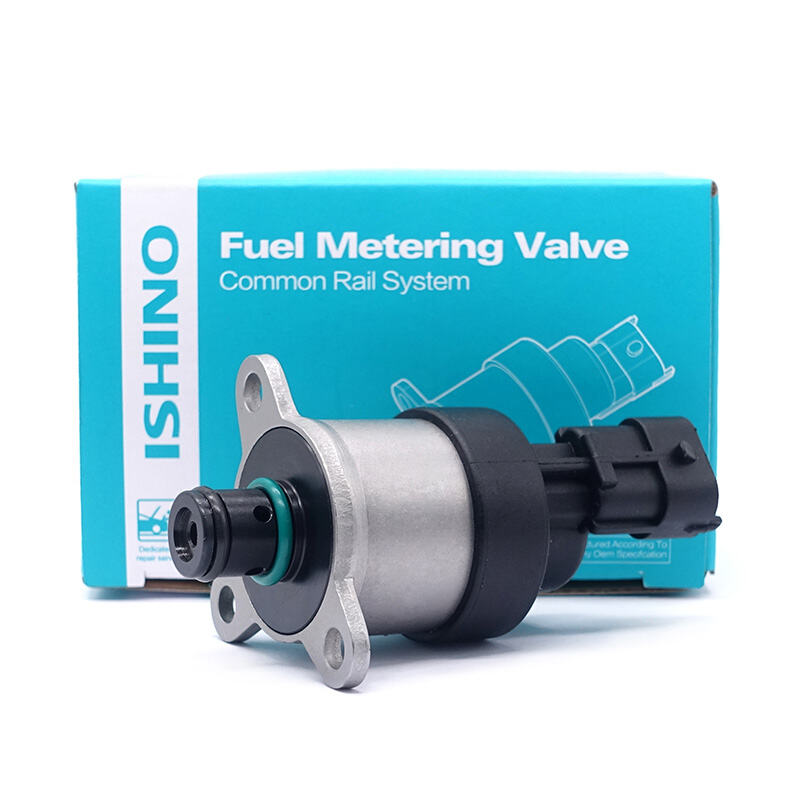
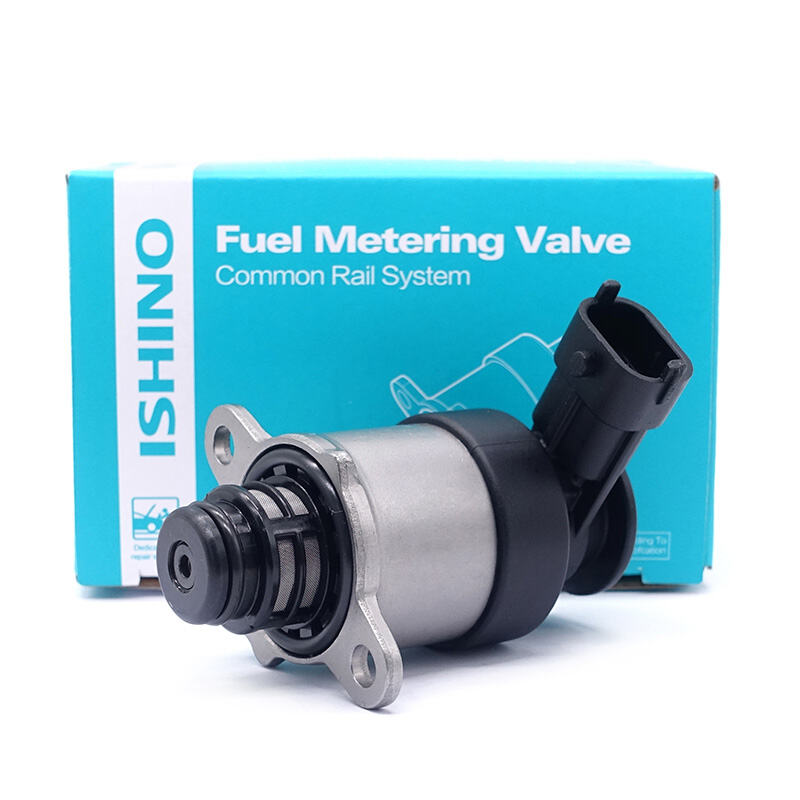
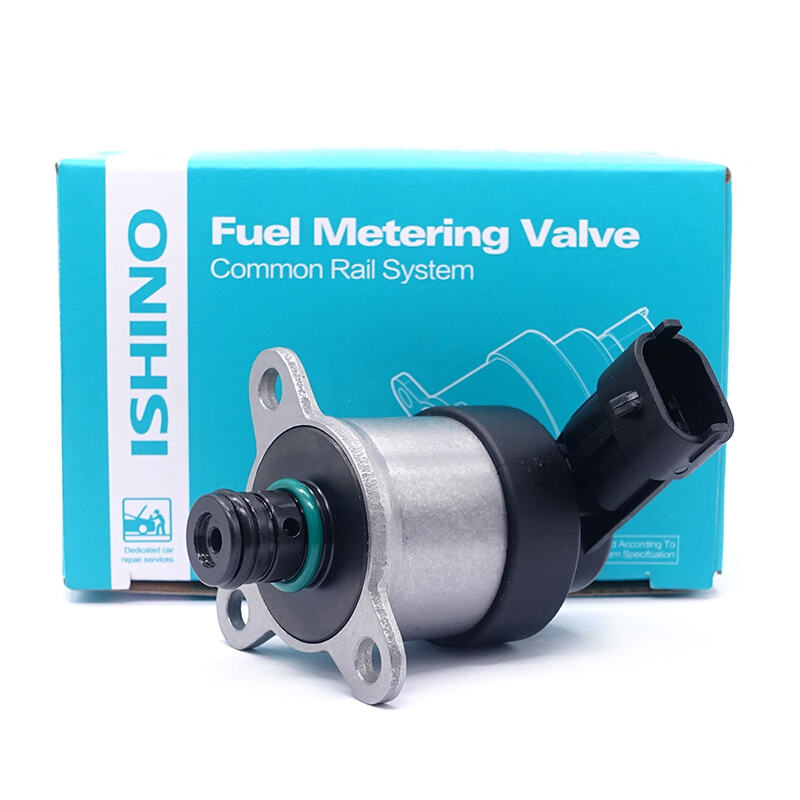
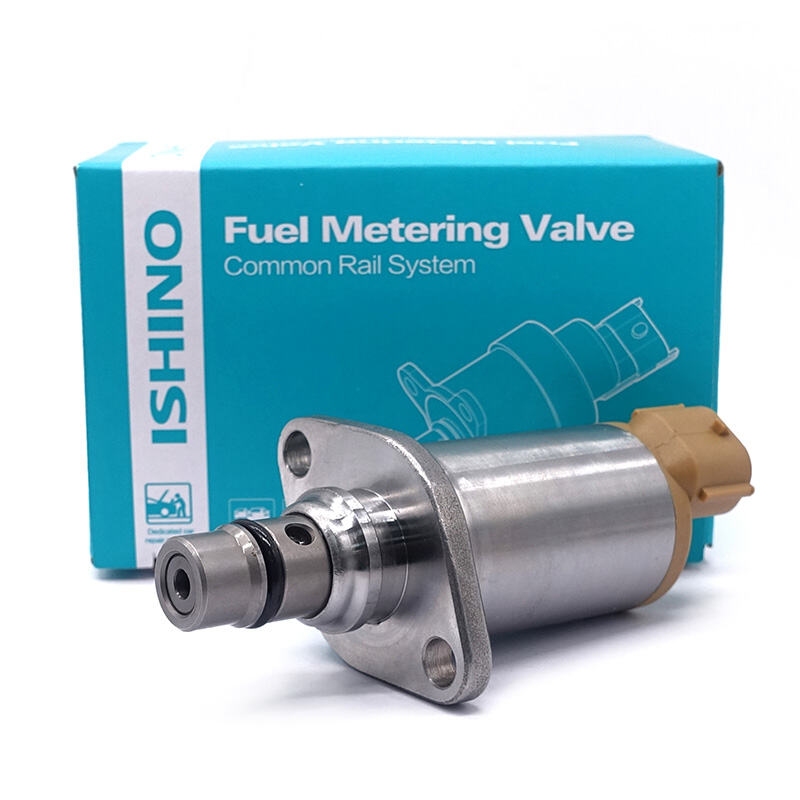
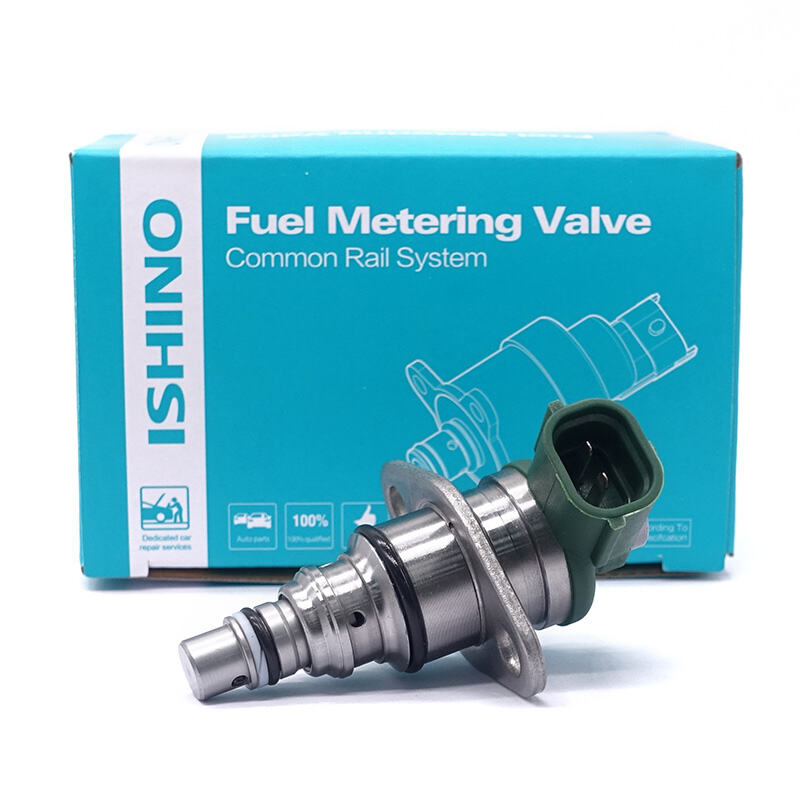
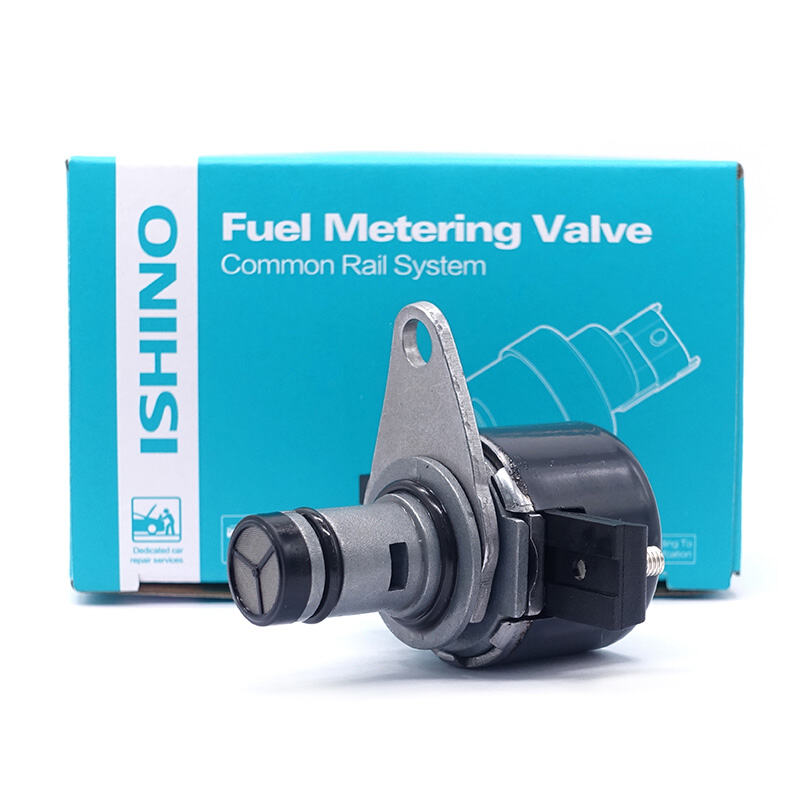
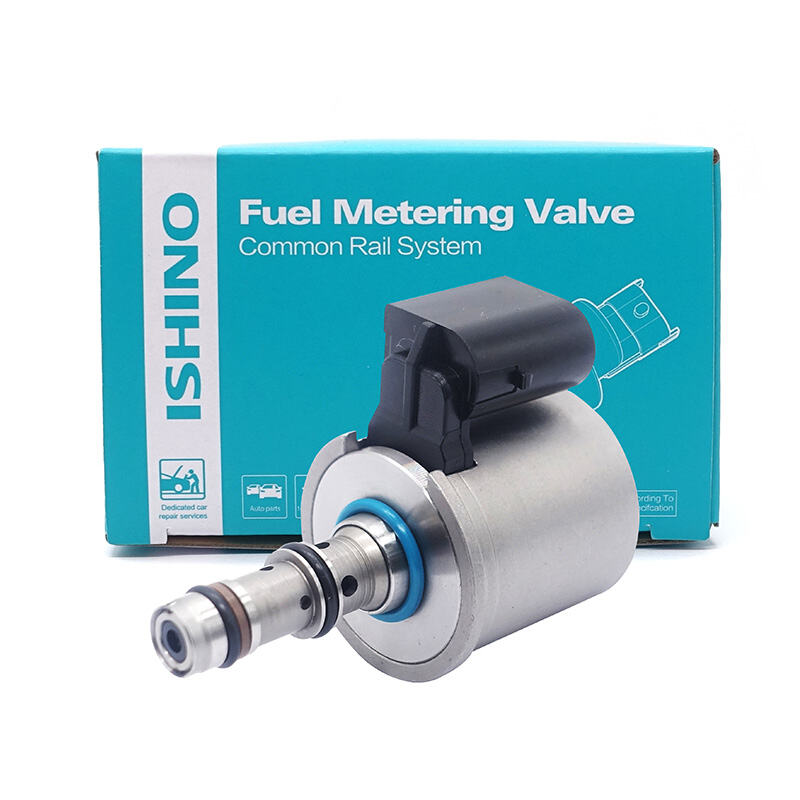
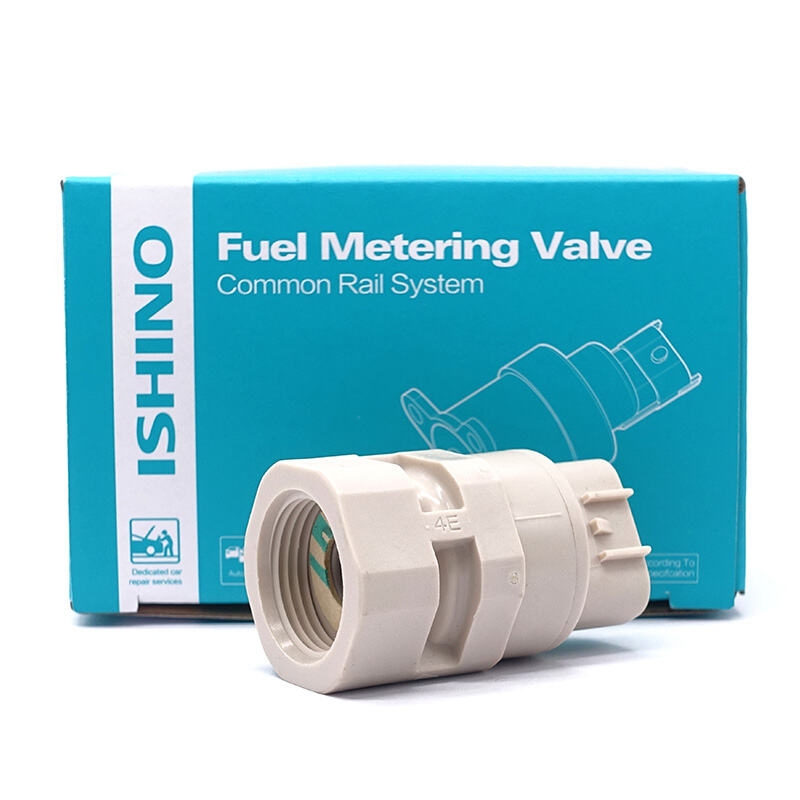
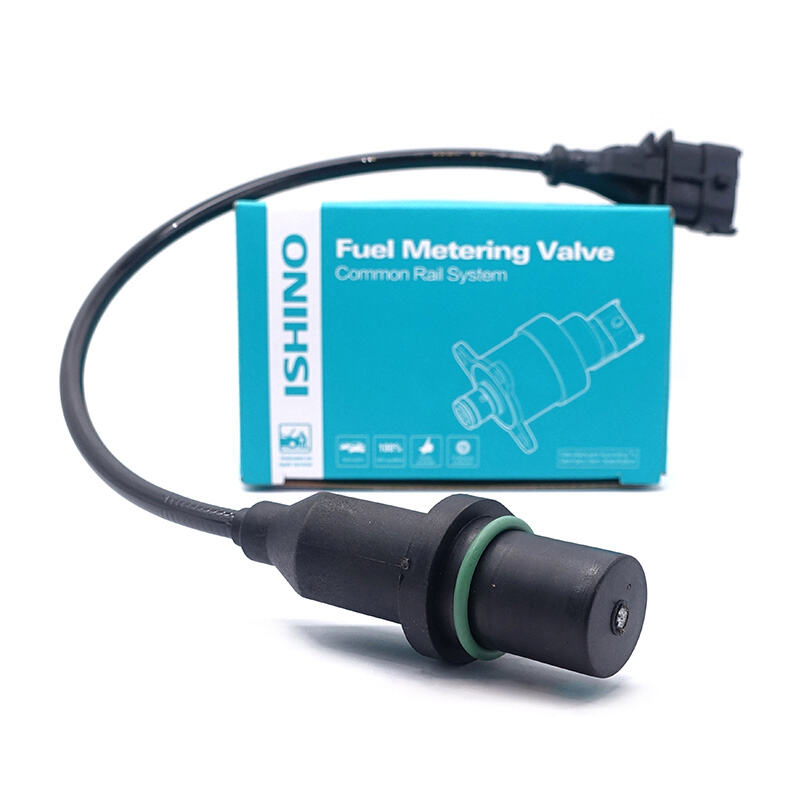
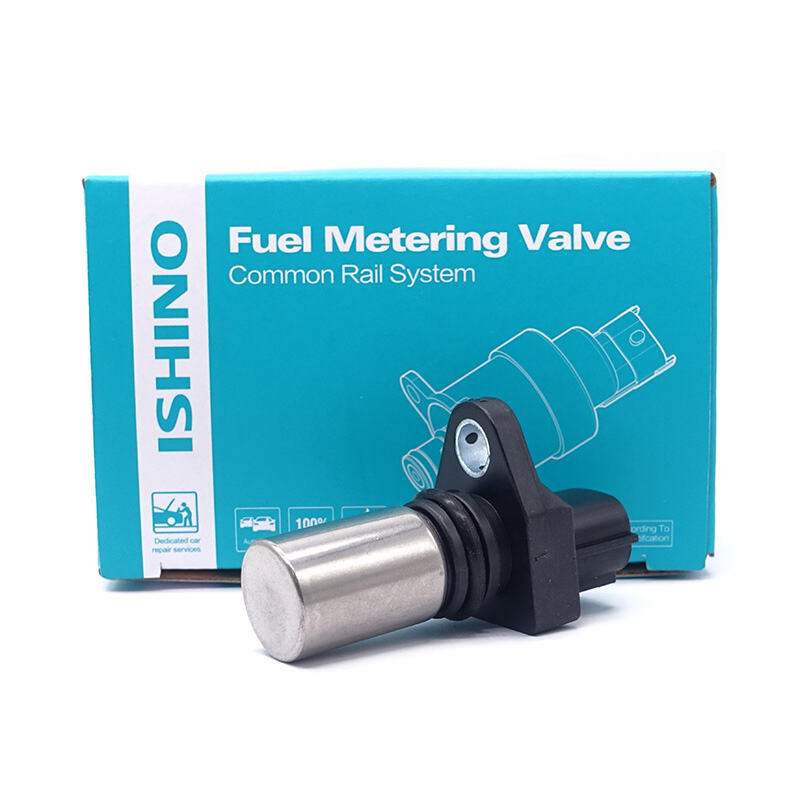
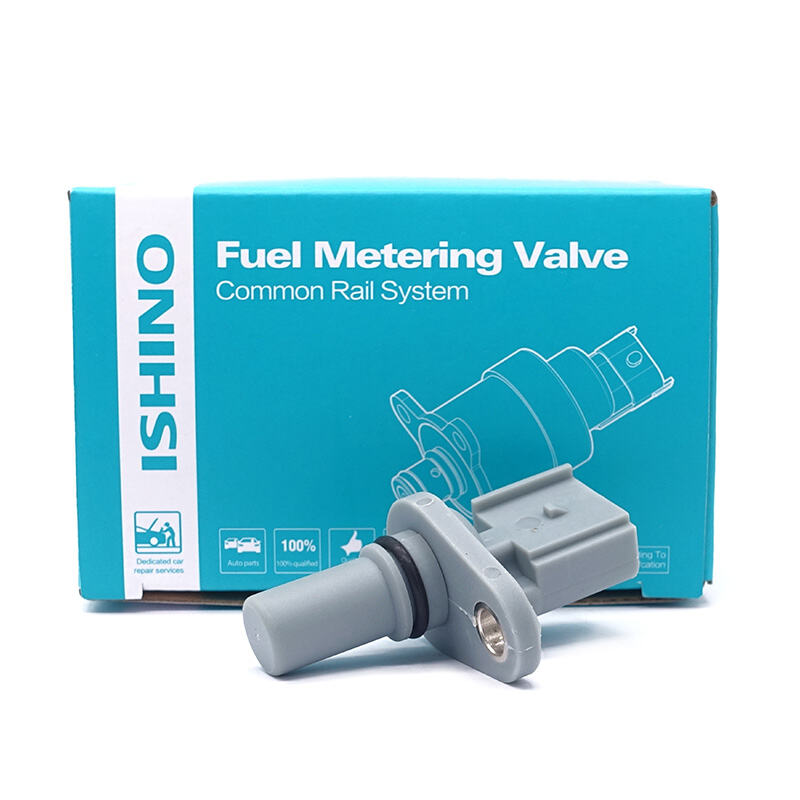
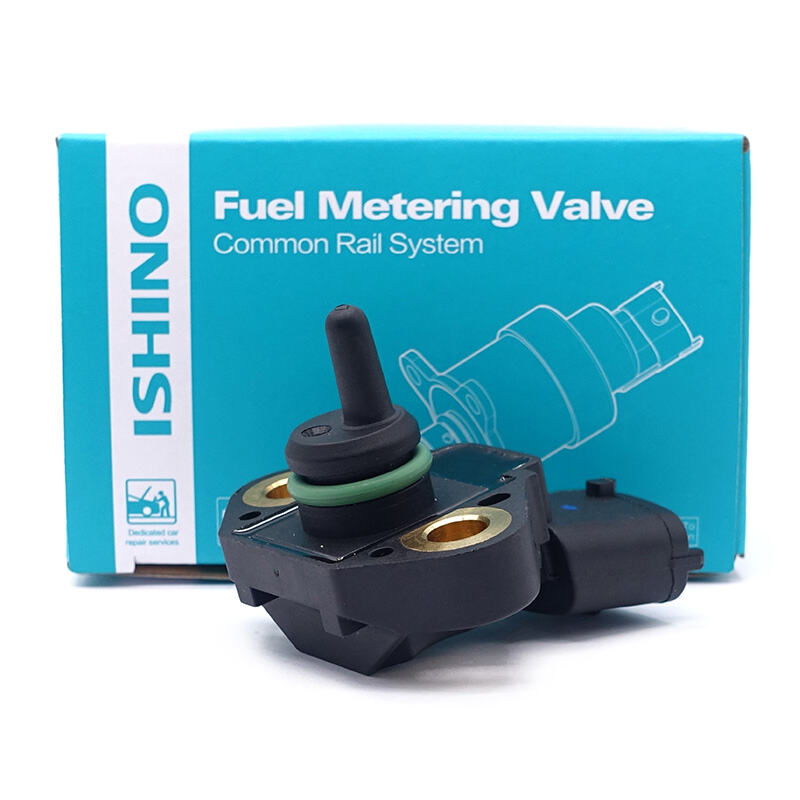
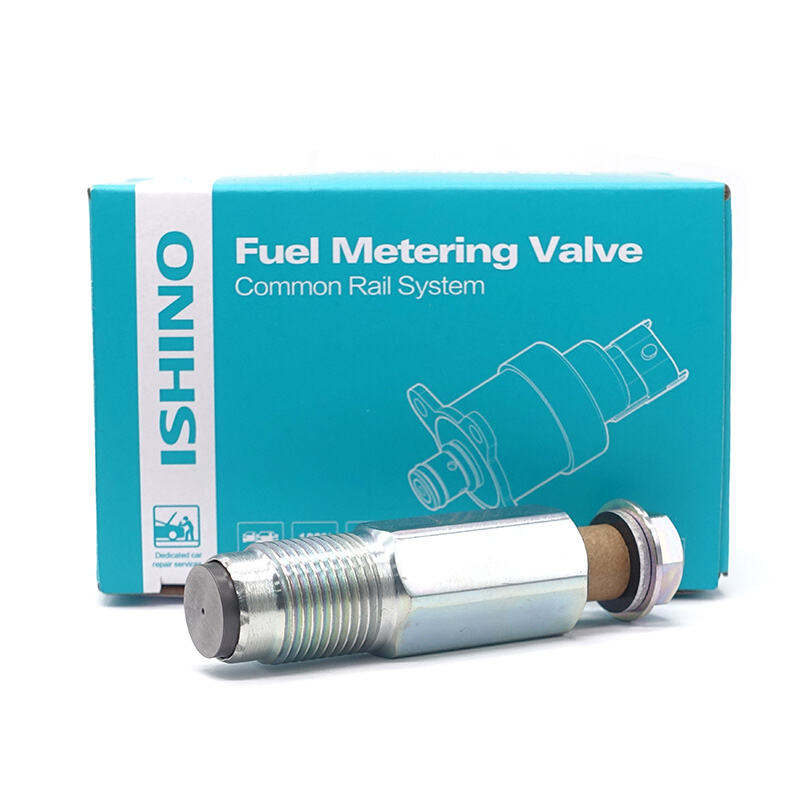
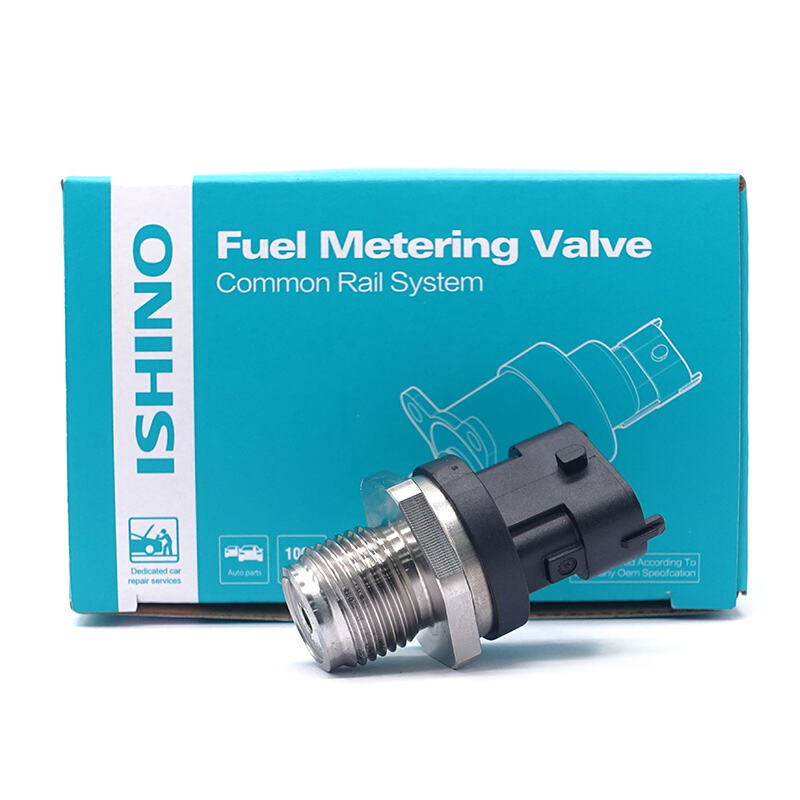
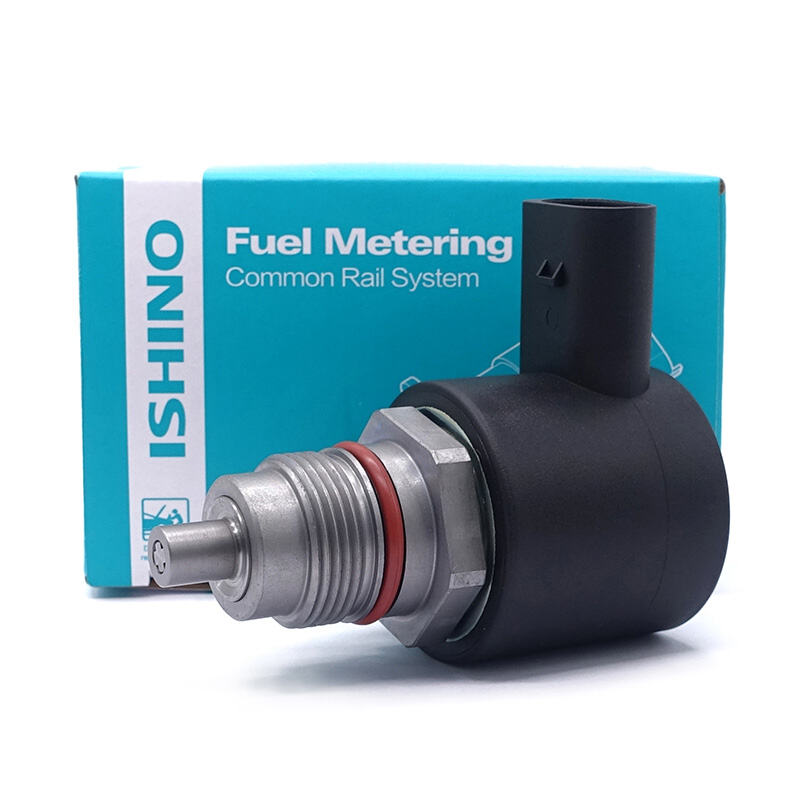
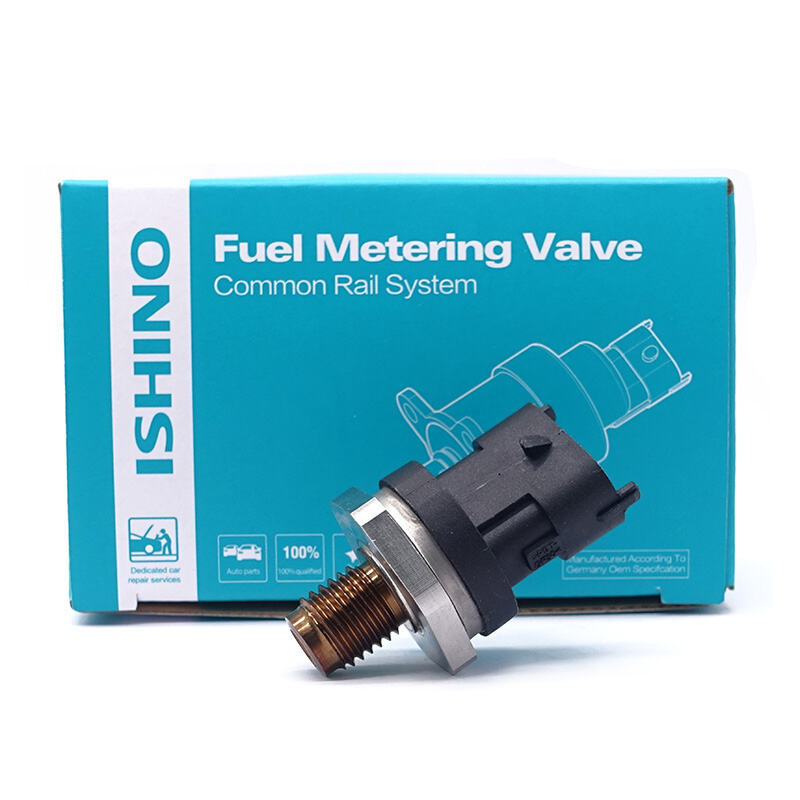
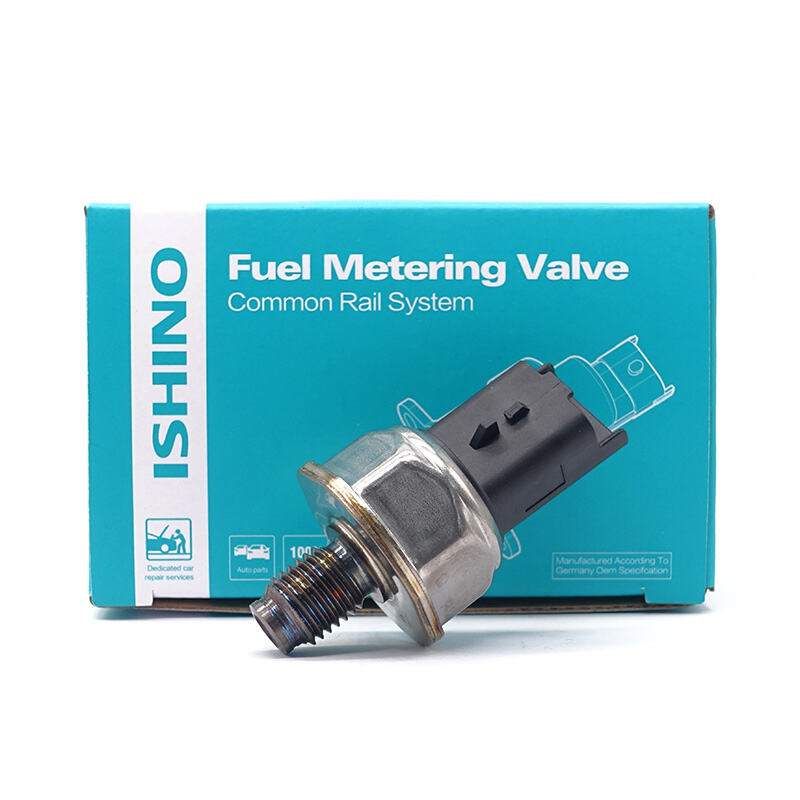
As a volume control valve, the X39-800-300-018Z 13150352 plays a pivotal role in the system by regulating the fuel intake of the high-pressure fuel pump. Installed on the low-pressure side of the pump, it adjusts the flow of fuel entering the compression chamber by varying the flow area of the metering unit, thereby enabling precise control of the common-rail pressure.
Its operational performance directly impacts engine starting, idle stability, and power output response.
The X39-800-300-018Z 13150352 features high control precision, keeping common-rail pressure fluctuations within a narrow range to ensure stable fuel supply across various engine speeds and loads. It offers rapid response speeds—with valve spool actuation occurring within milliseconds of receiving ECU commands—meeting the real-time control requirements of high-pressure common-rail systems.
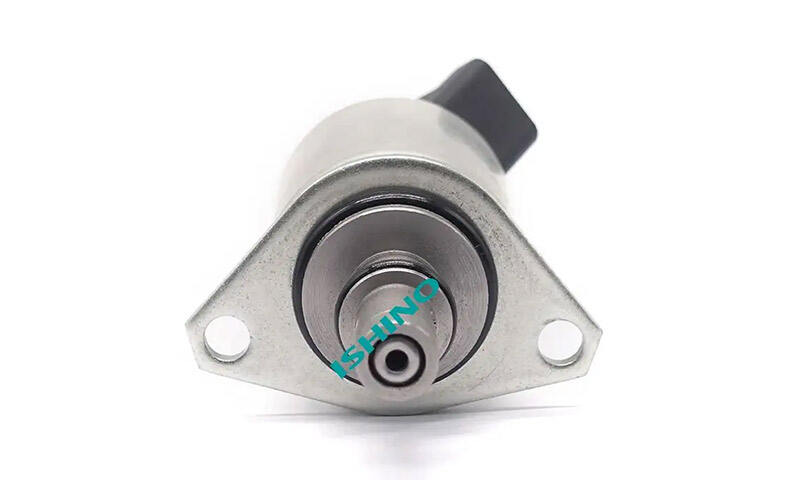
Its flow characteristics are stable; the optimized valve port design ensures consistent flow output across all operating conditions, guaranteeing smooth idling and reliable fuel supply under high loads. Additionally, it exhibits excellent pressure and temperature resistance, with valve body materials capable of withstanding the high-temperature environment of the engine bay and the pressure fluctuations within the fuel system.
From a system integration perspective, the X39-800-300-018Z 13150352 forms a complete closed-loop pressure control circuit alongside the high-pressure fuel pump, common-rail pipe, pressure sensor, and ECU. The ECU determines the target rail pressure based on engine operating parameters and drives the volume control valve using a PWM signal.
The valve's electromagnetic actuator rapidly adjusts the opening based on signal changes, ensuring the actual rail pressure tracks the target value. Its response characteristics during cold starts and low-temperature operations are also noteworthy; the electromagnetic drive structure maintains stable operational performance even in cold environments.
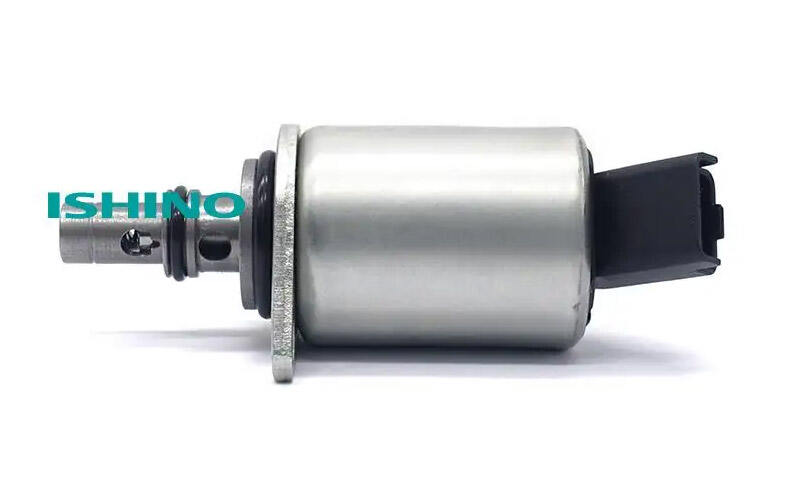
The X39-800-300-018Z 13150352 is primarily designed for high-pressure common-rail diesel engines. As these fuel systems typically employ an inlet metering strategy, the performance consistency of the volume control valve directly influences the vehicle's overall fuel economy and emissions performance.
The cause of the fault can be quickly identified by reading common-rail pressure deviation data via a diagnostic tool and analyzing the valve drive signals. Adhering to the scheduled replacement of fuel filters and avoiding the use of substandard fuel during routine maintenance helps ensure the valve's long-term, stable operation.


 86-750-2882555/2880222
 Diesel@ishino.cn