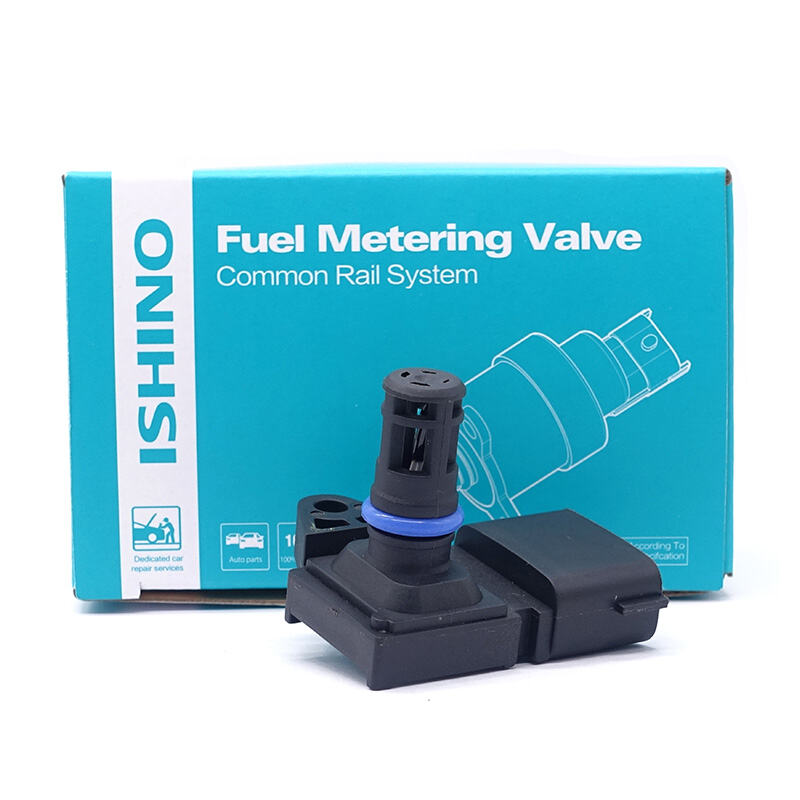
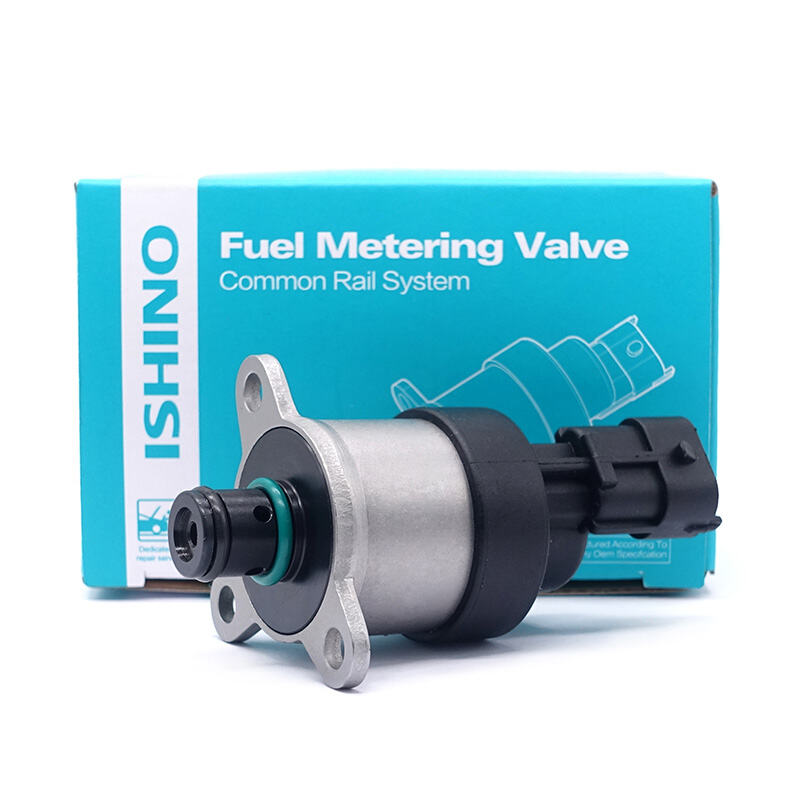
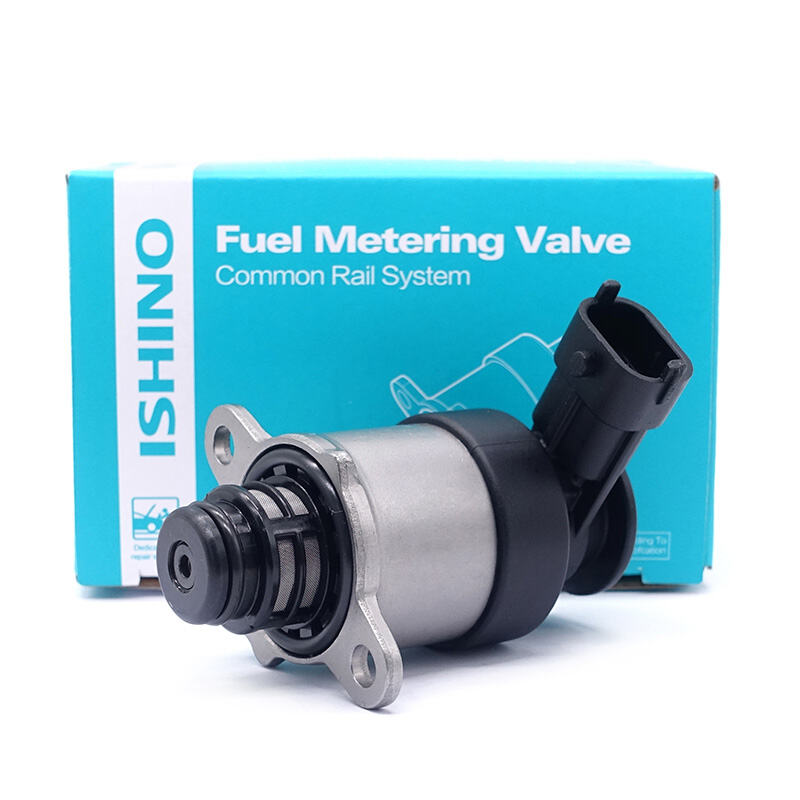
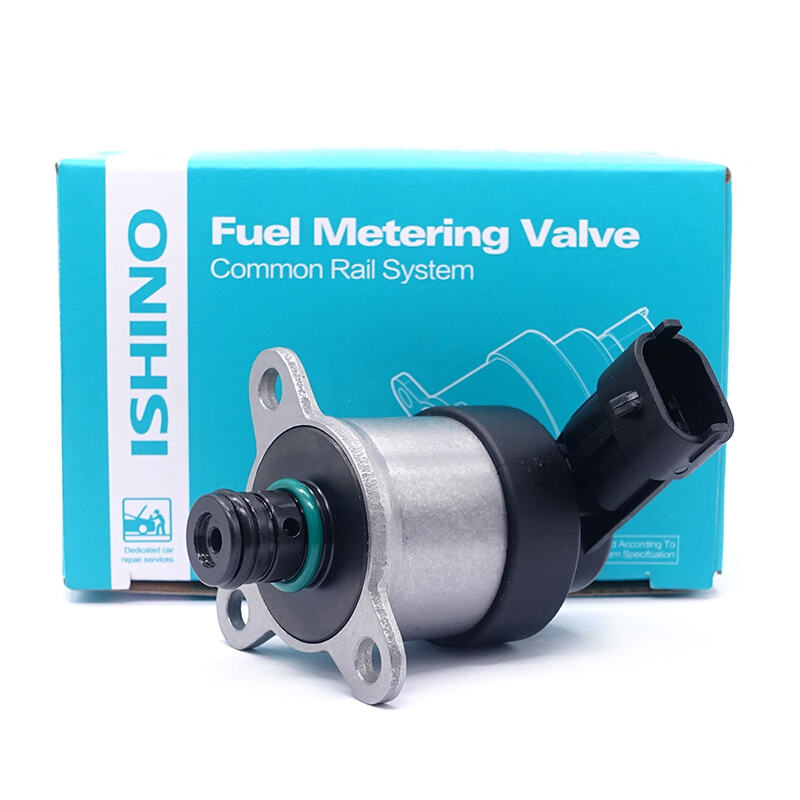
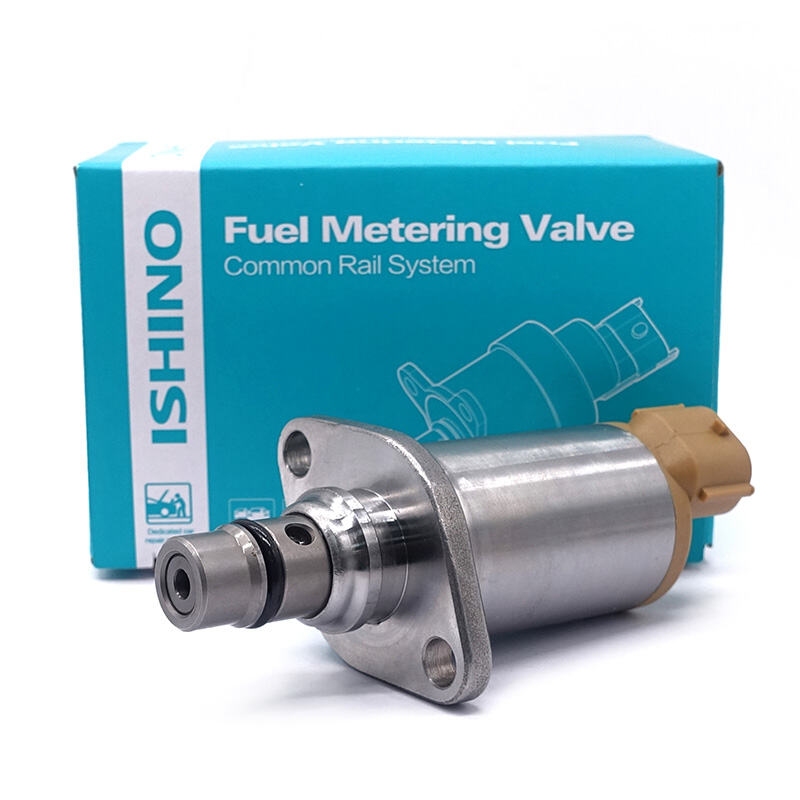
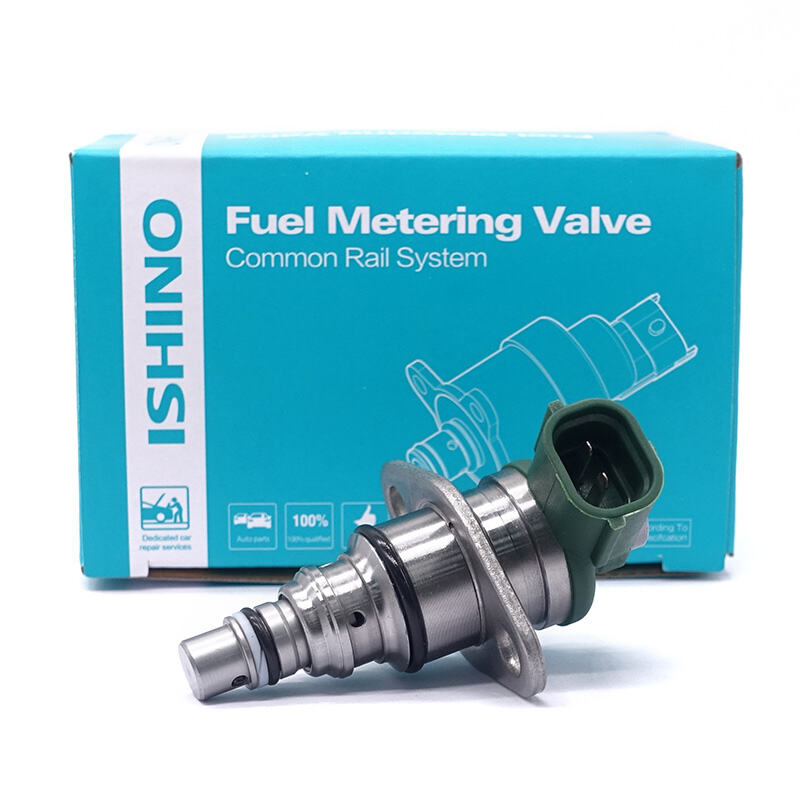
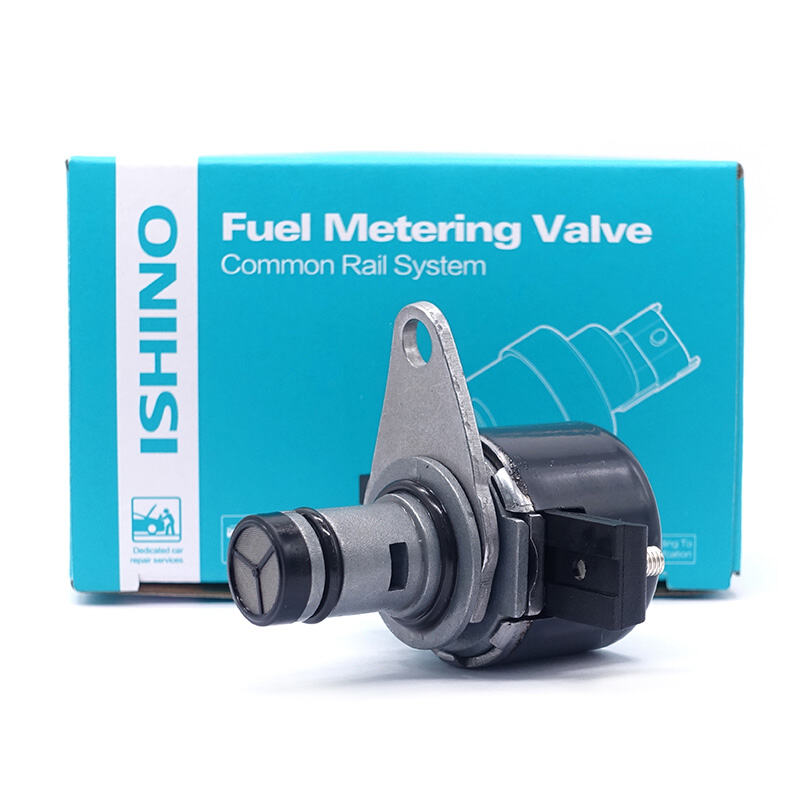
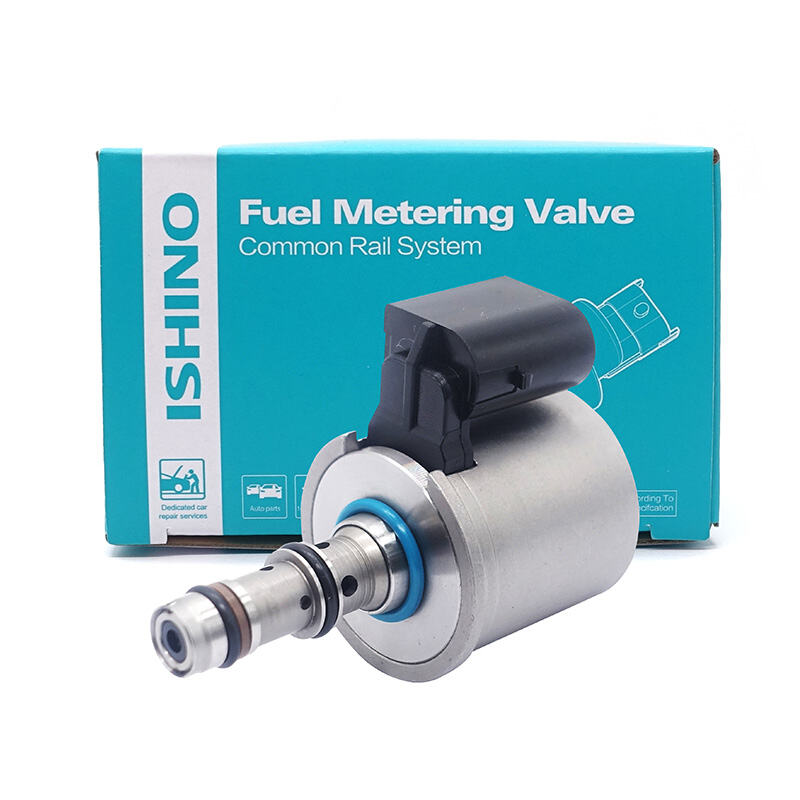
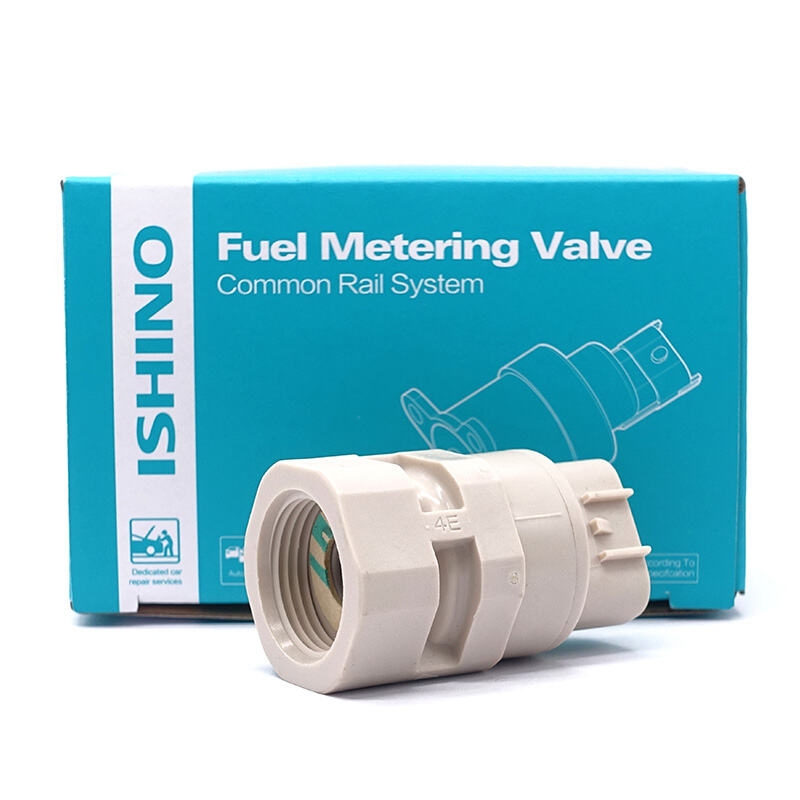
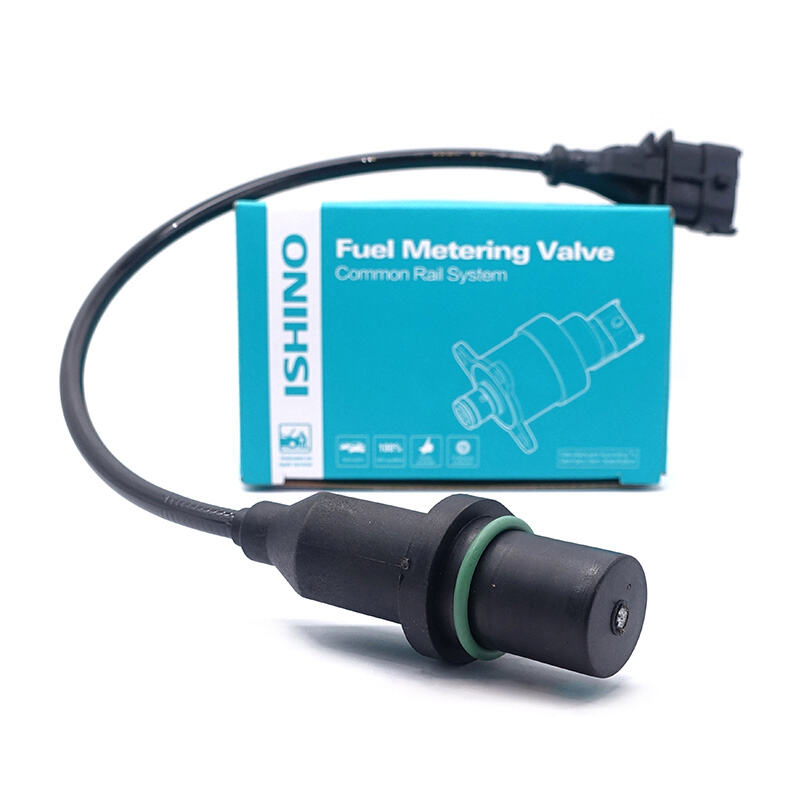
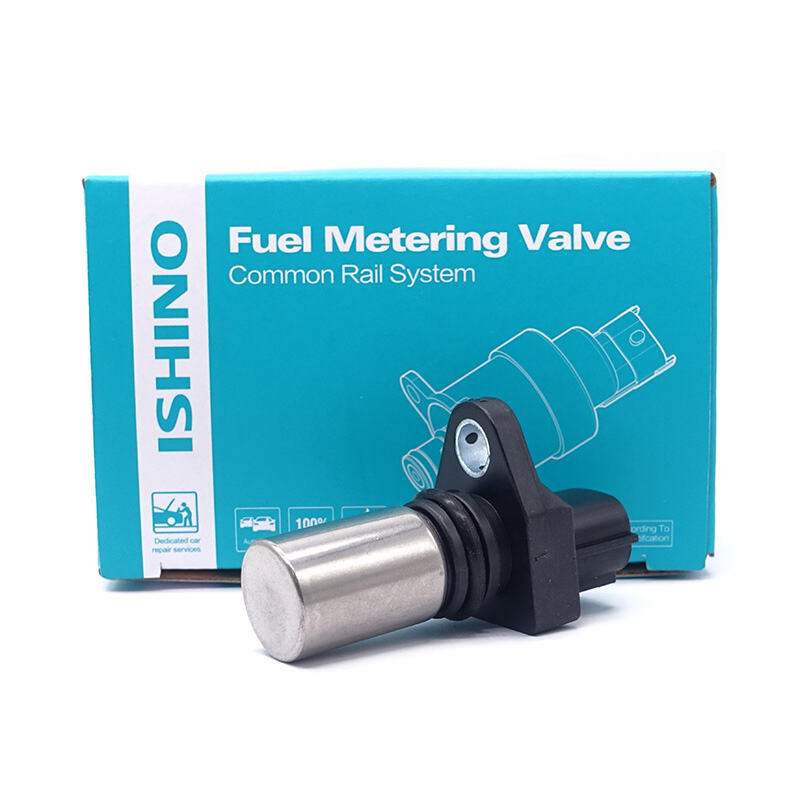
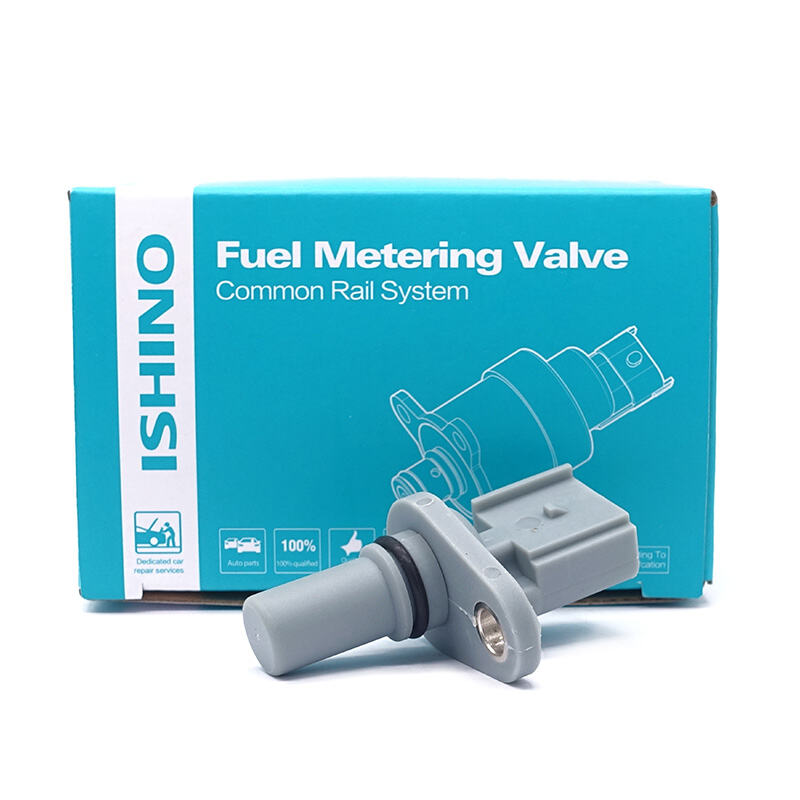
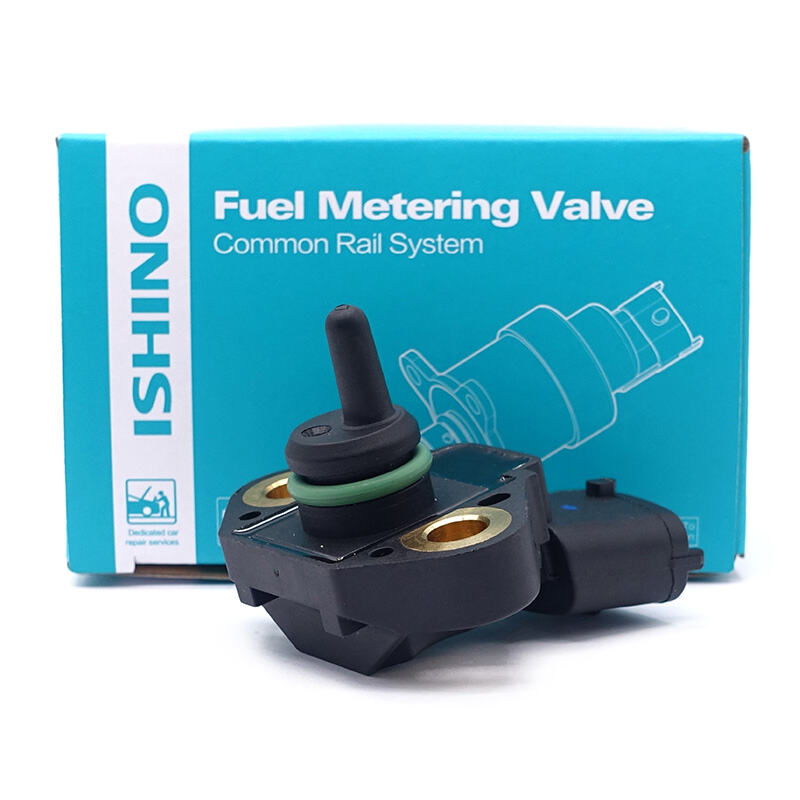
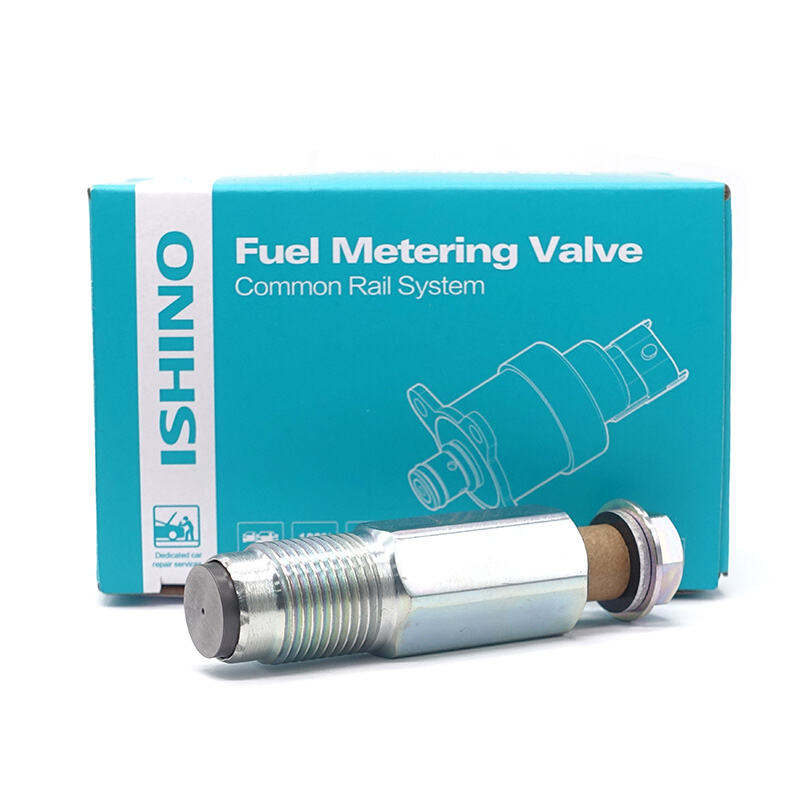
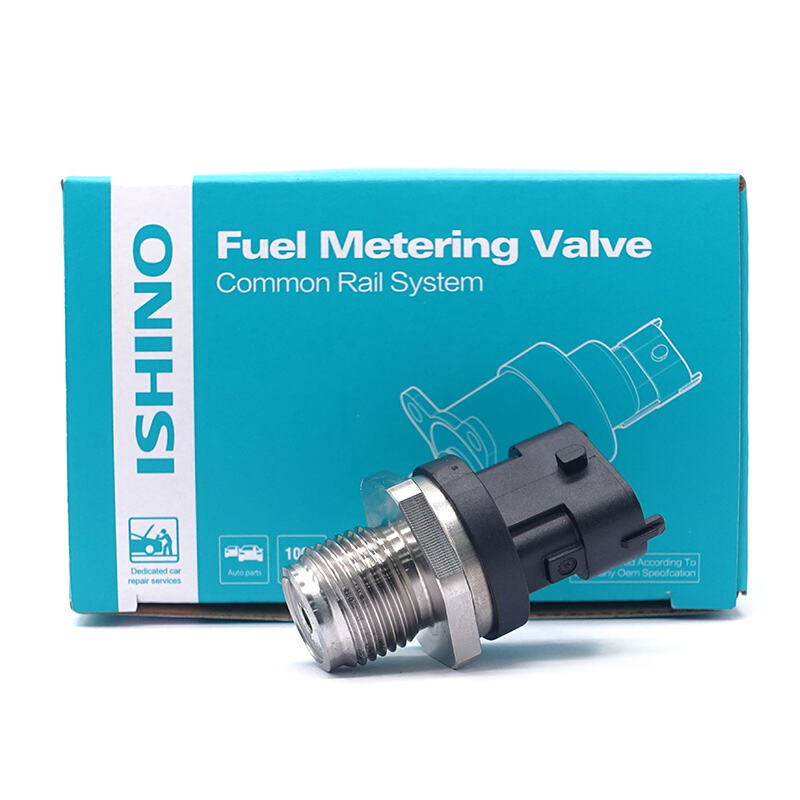
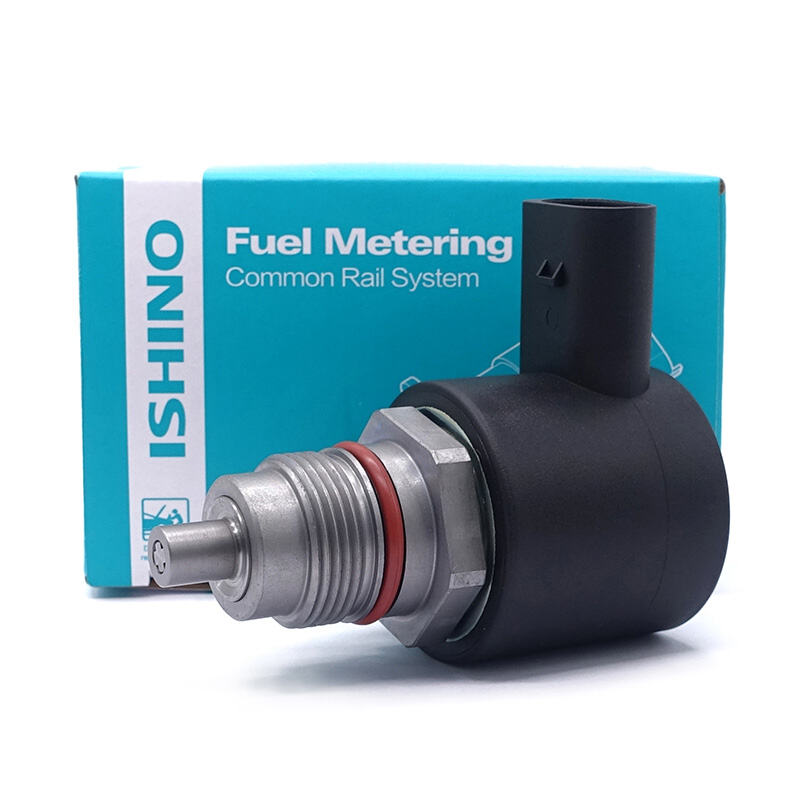
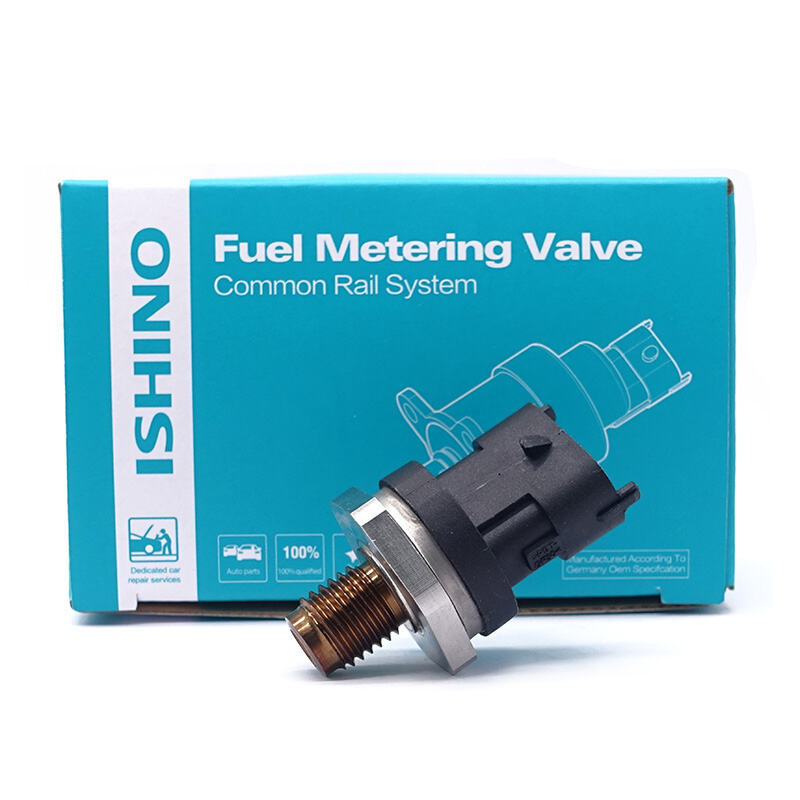
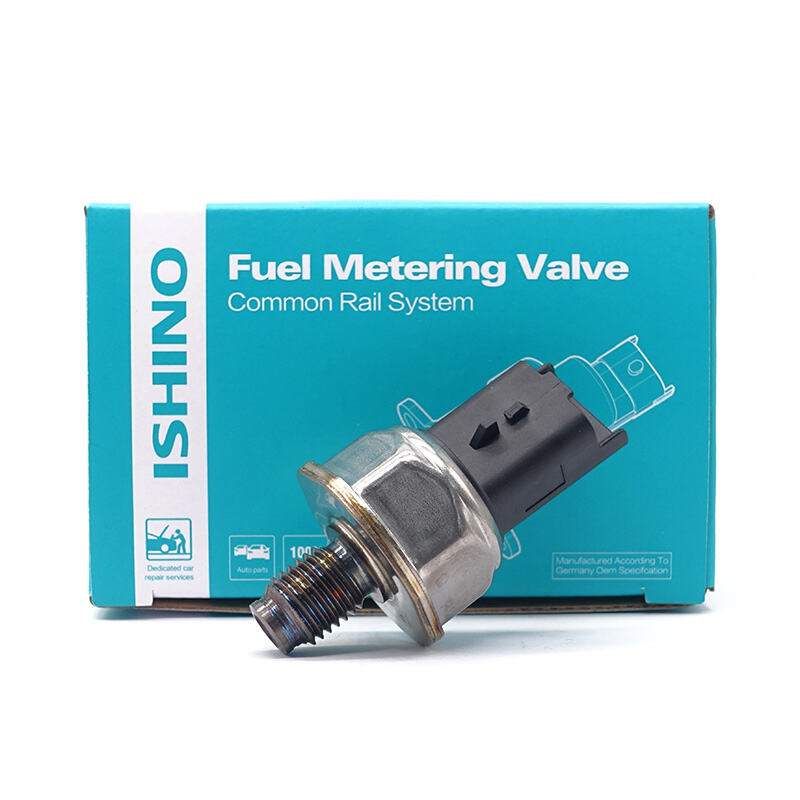
The X39800300018Z is a widely adopted fuel pressure regulating valve, classified as a volumetric control valve. It is primarily used in vehicles from brands such as Ford, Citroën, Peugeot, Volvo, and Fiat, where it meters and controls the volume of fuel entering the high-pressure fuel pump from the low-pressure inlet side.
Structurally, the X39800300018Z features a composite design of plastic and metal; its compact dimensions facilitate installation at the high-pressure fuel pump's inlet. It corresponds to OE cross-reference numbers such as 13150352 and 1920.QH, demonstrating high versatility in the aftermarket.
Designed to meet OEM specifications, the valve's interface dimensions and mounting configuration are compatible with the high-pressure fuel pumps found in diesel engines.
Regarding technical characteristics, the X39800300018Z functions by receiving control signals from the ECU and using electromagnetic actuation to adjust the valve opening, thereby regulating the fuel volume entering the high-pressure pump's plunger chamber. Its response speed meets the real-time demands of high-pressure common-rail systems for rail pressure regulation, ensuring stability during rapid fluctuations in engine speed and load.
The internal flow channels are optimized to maintain consistent flow characteristics across various operating conditions, ensuring smooth idling and reliable fuel supply under load.
In terms of vehicle compatibility, the X39800300018Z covers models from brands such as Citroën and Peugeot. The high-pressure common-rail diesel engines in these vehicles share similar fuel system designs, all employing an inlet-side metering strategy for volumetric control.
While the valve offers good interchangeability across these models, specific engine codes and high-pressure fuel pump model numbers should be verified prior to installation.
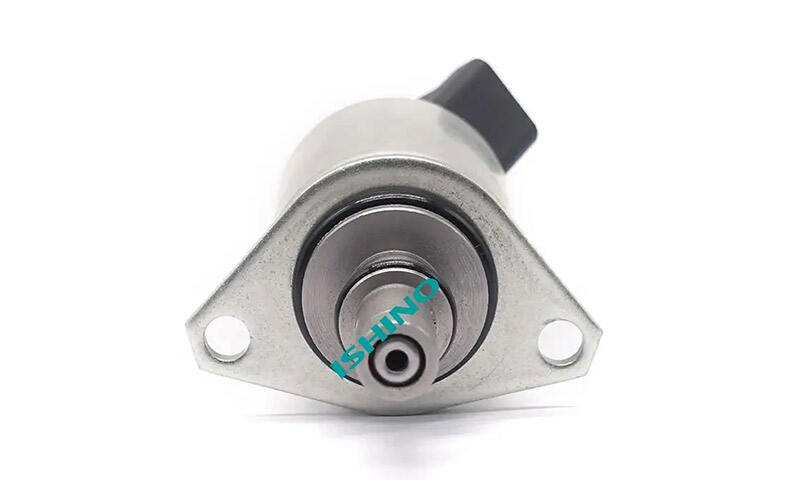
In maintenance practice, faults associated with the X39800300018Z typically manifest as an illuminated engine check light, poor acceleration, unstable idling, or extended engine cranking times. When internal wear or carbon deposits in the volume control valve impede the movement of the valve spool, the ECU cannot precisely control the fuel intake, potentially causing periodic fluctuations in common-rail pressure.
By using an oscilloscope to examine the valve's drive signal waveform, one can determine whether the electromagnetic coil is functioning correctly.


 86-750-2882555/2880222
 Diesel@ishino.cn