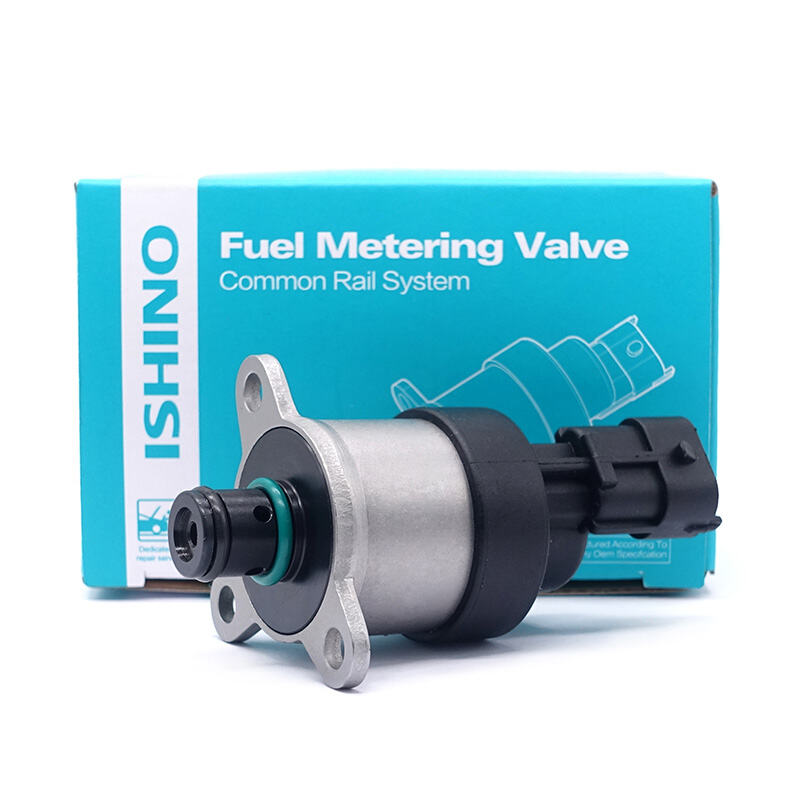
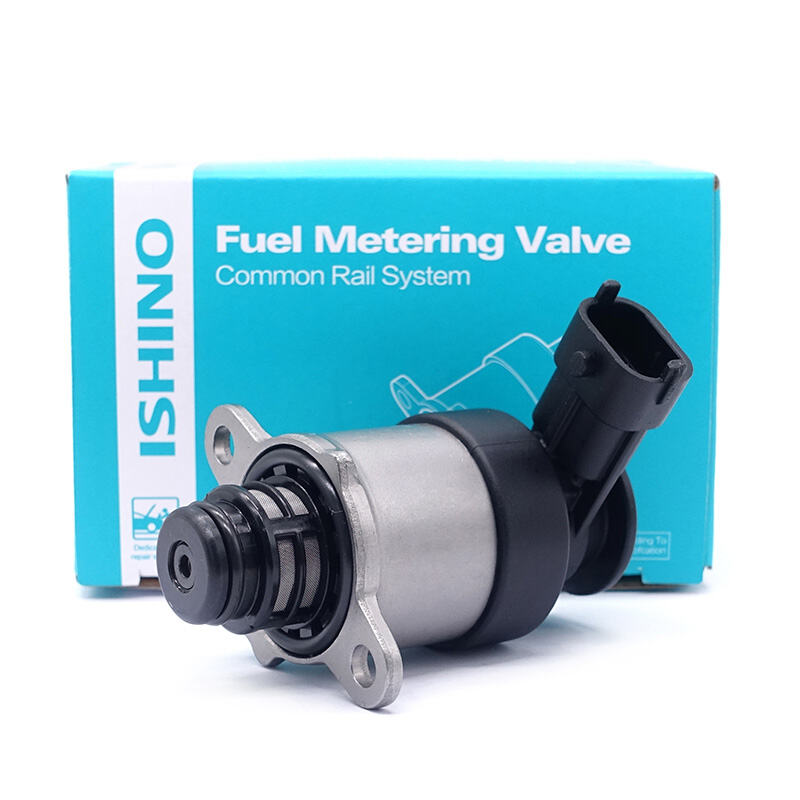
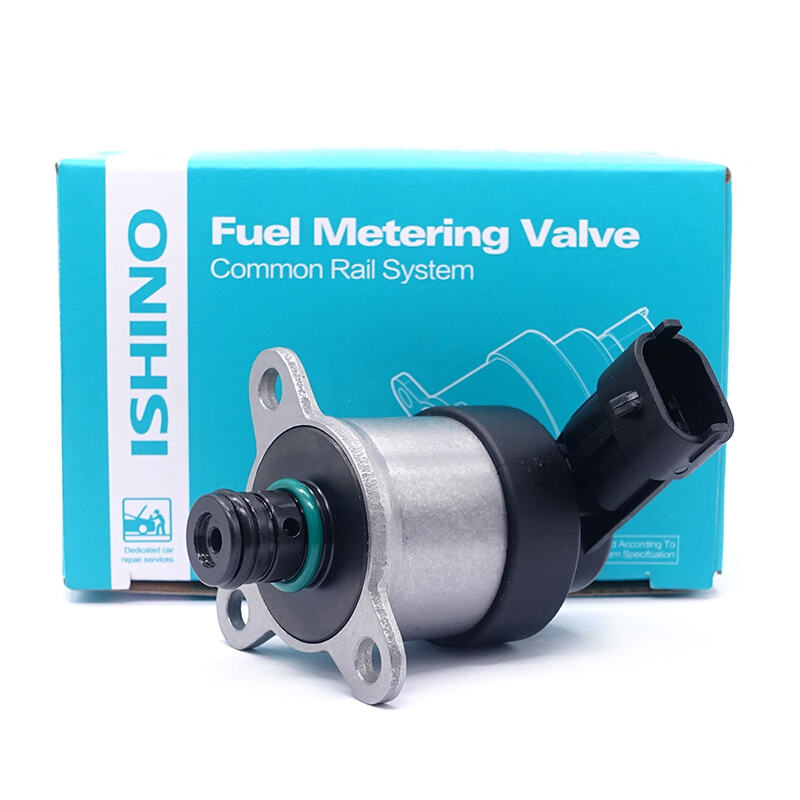
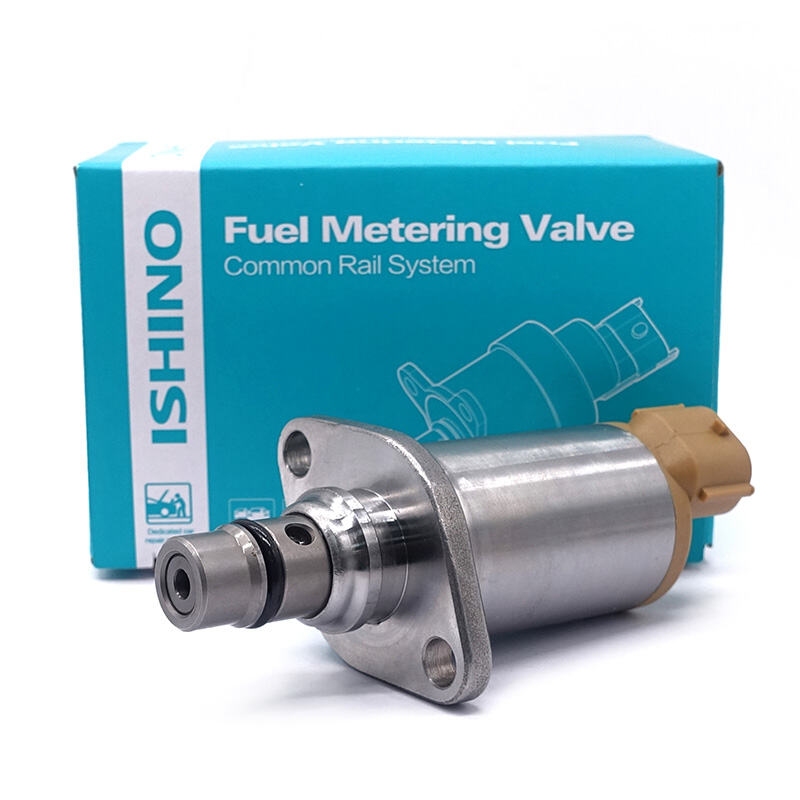
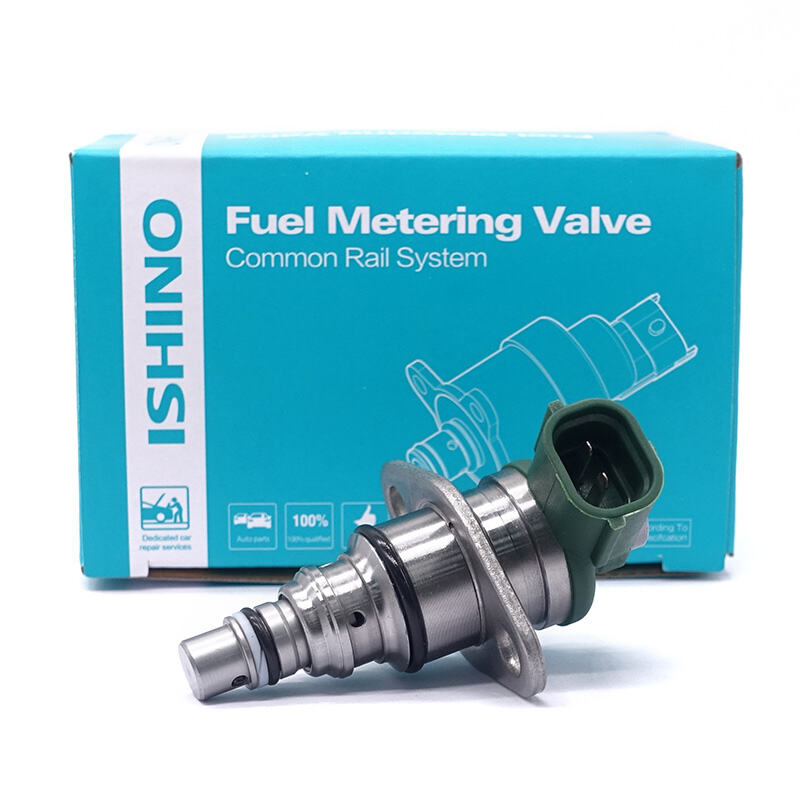
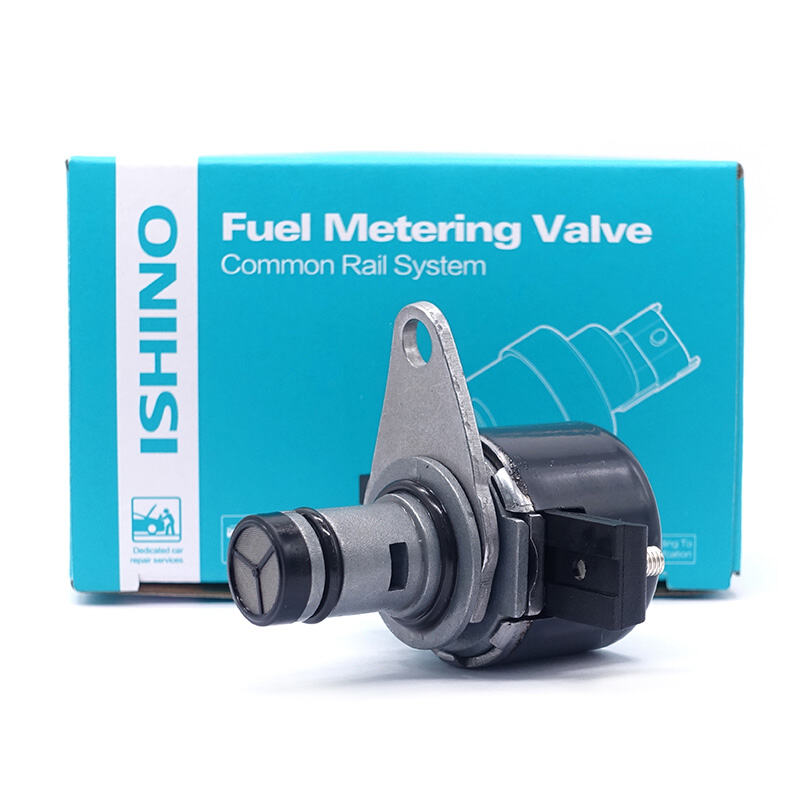
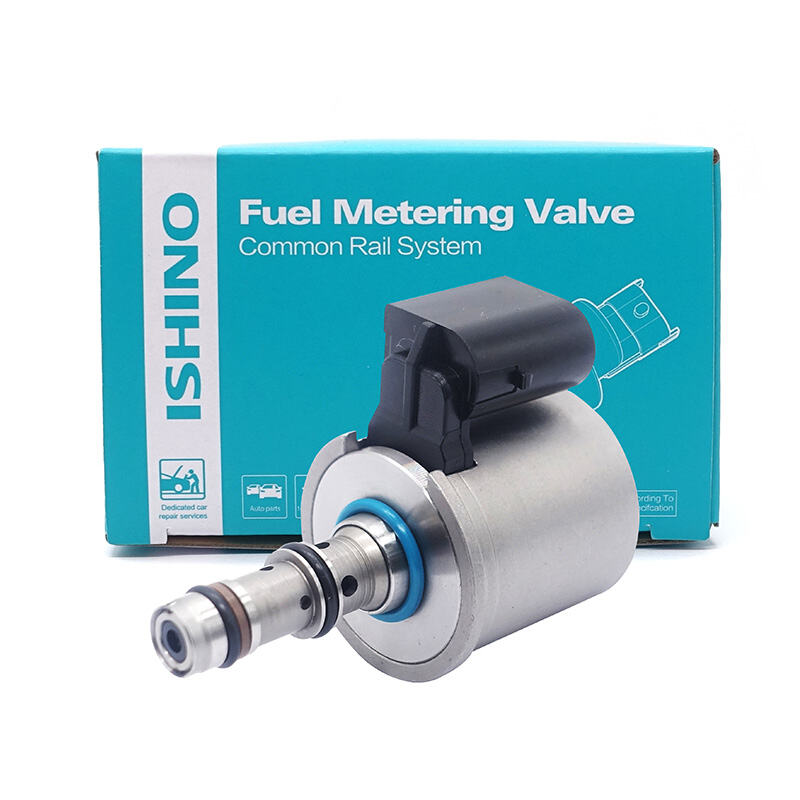
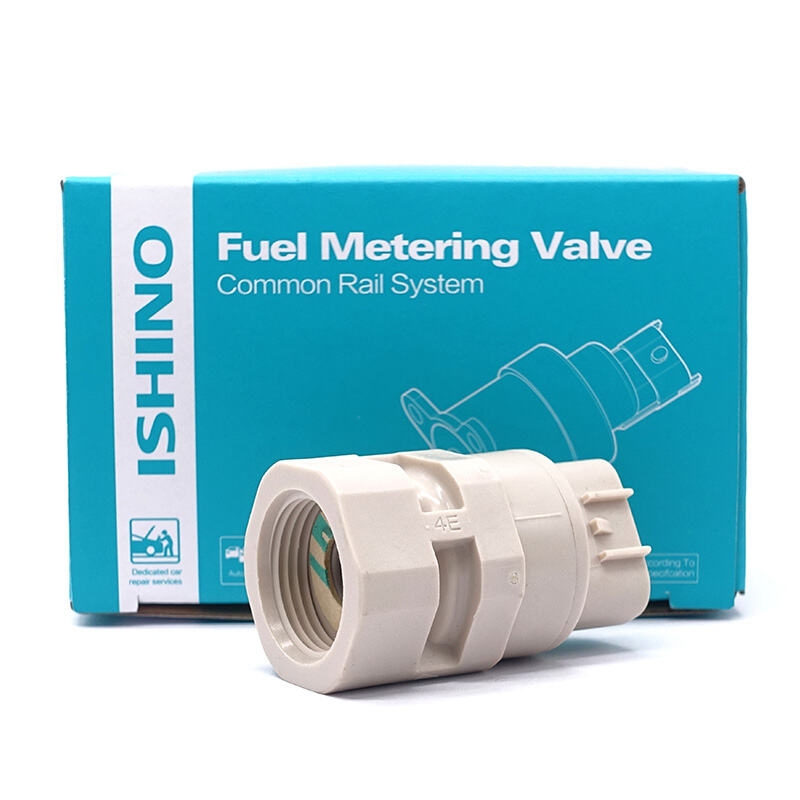
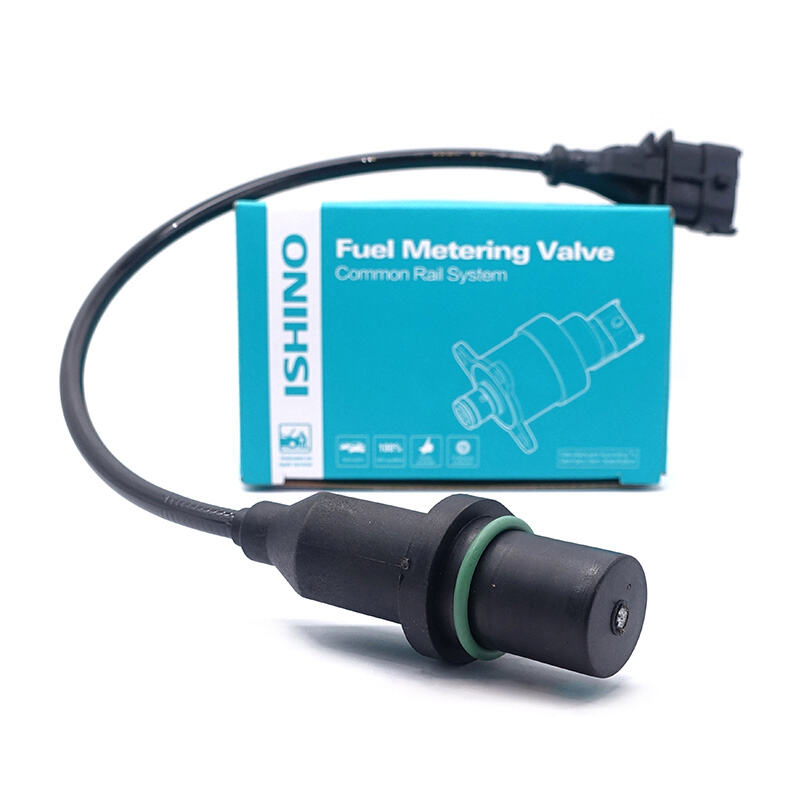
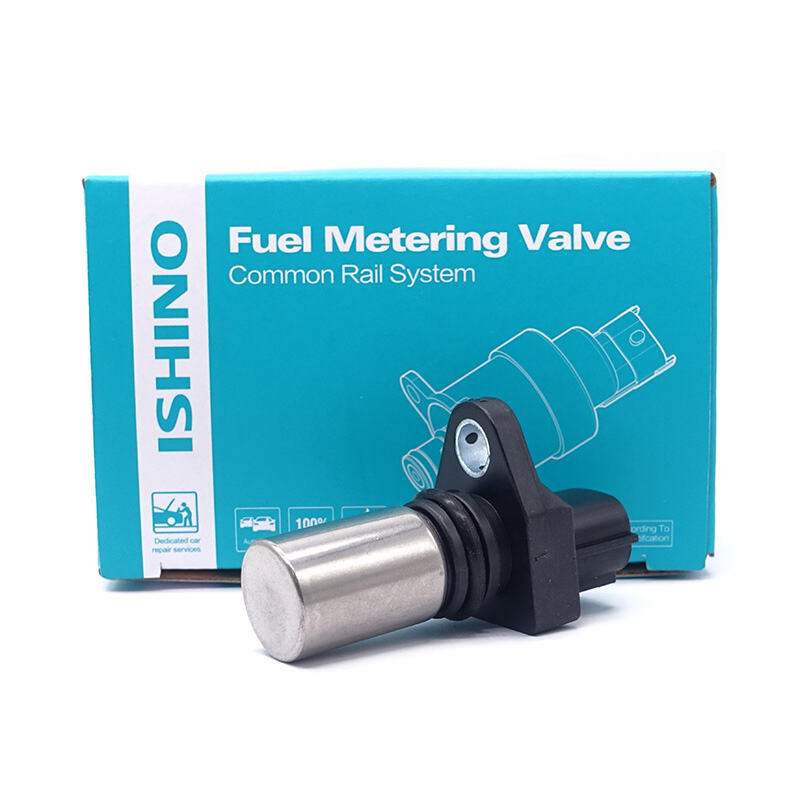
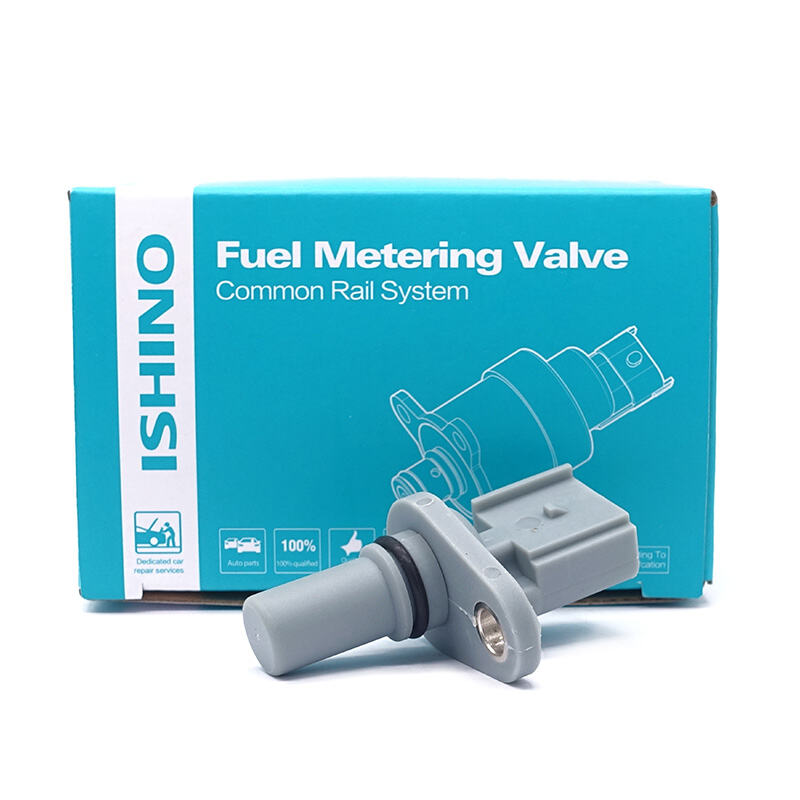
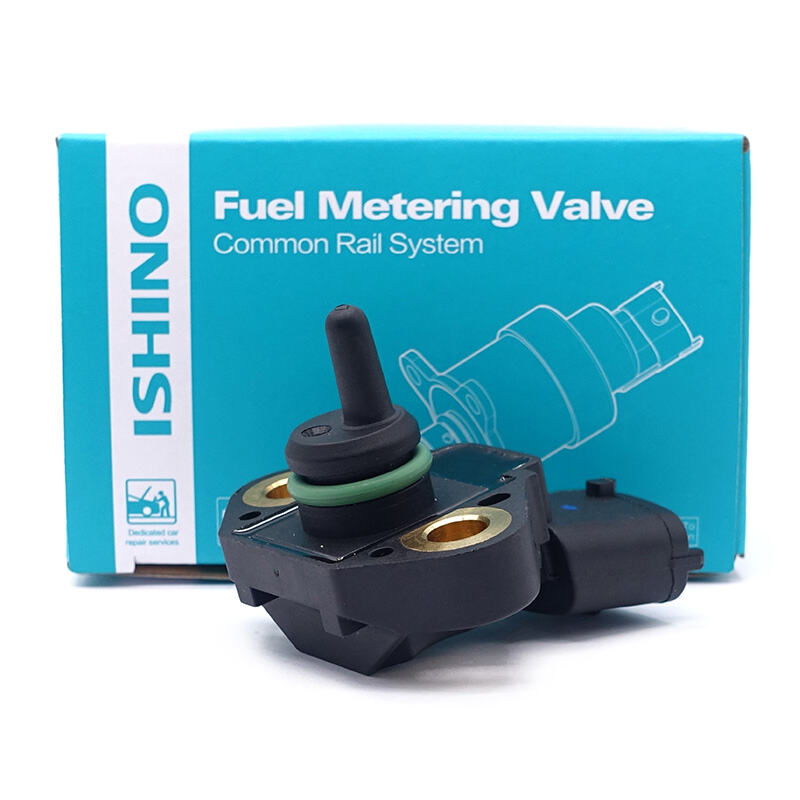
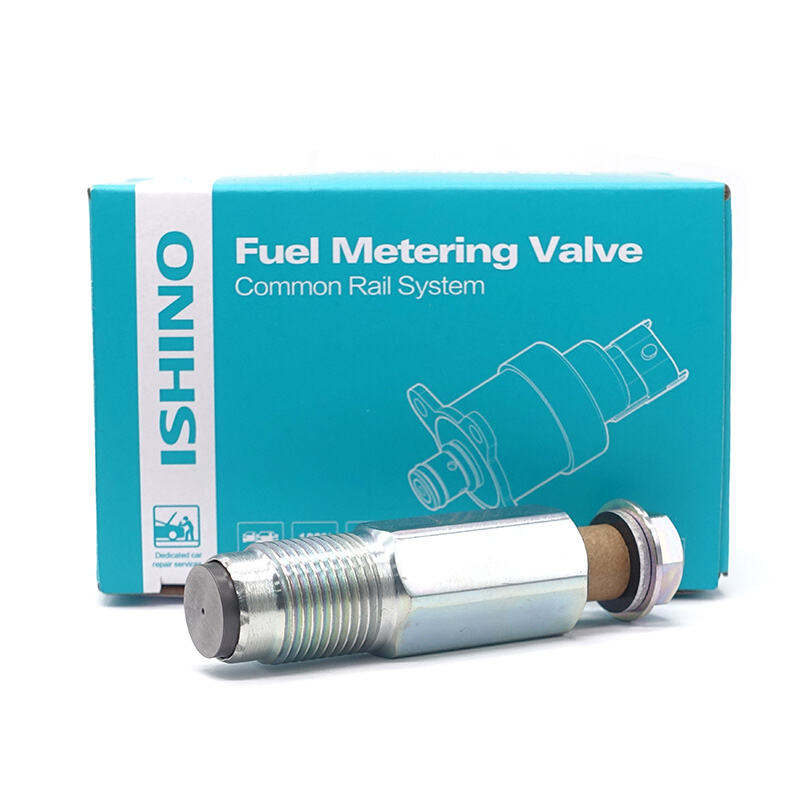
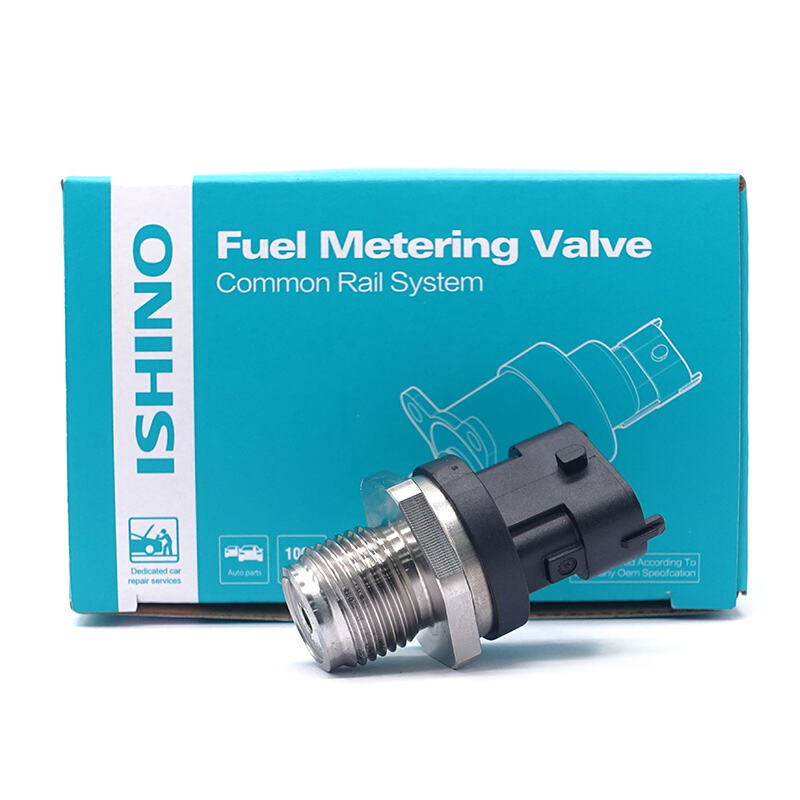
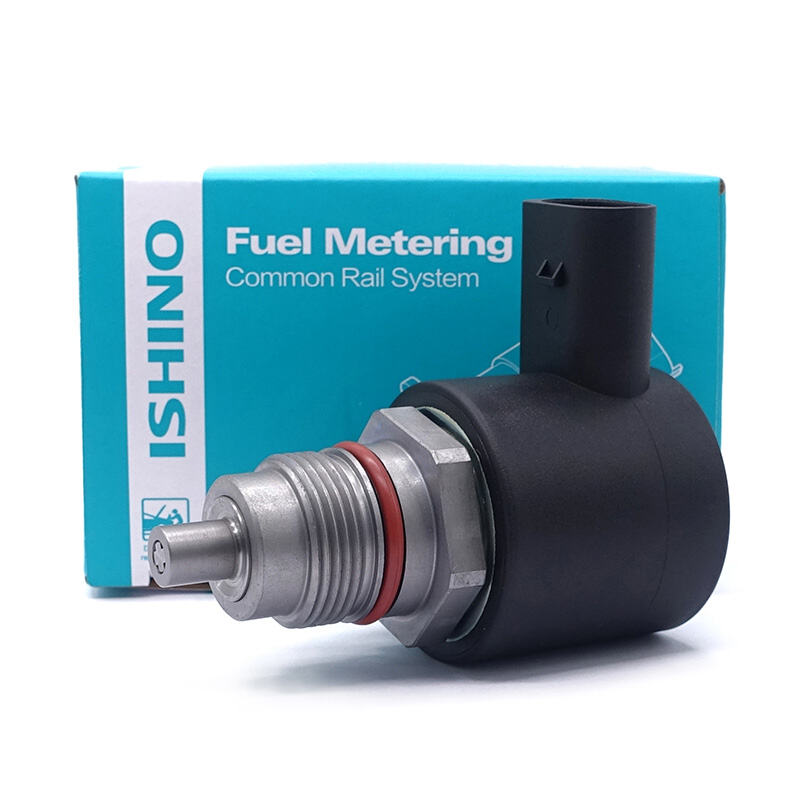
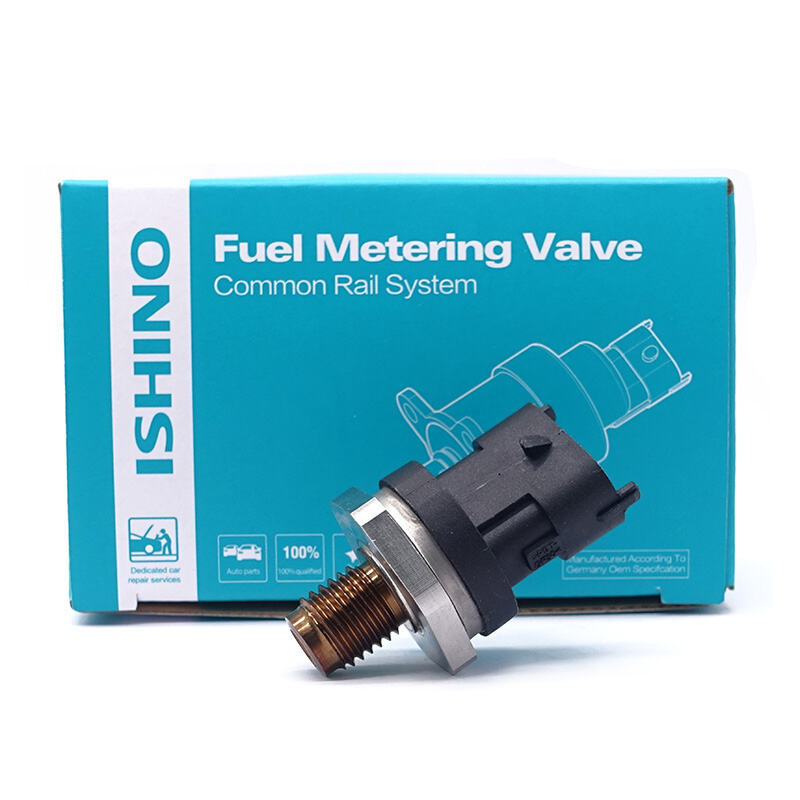
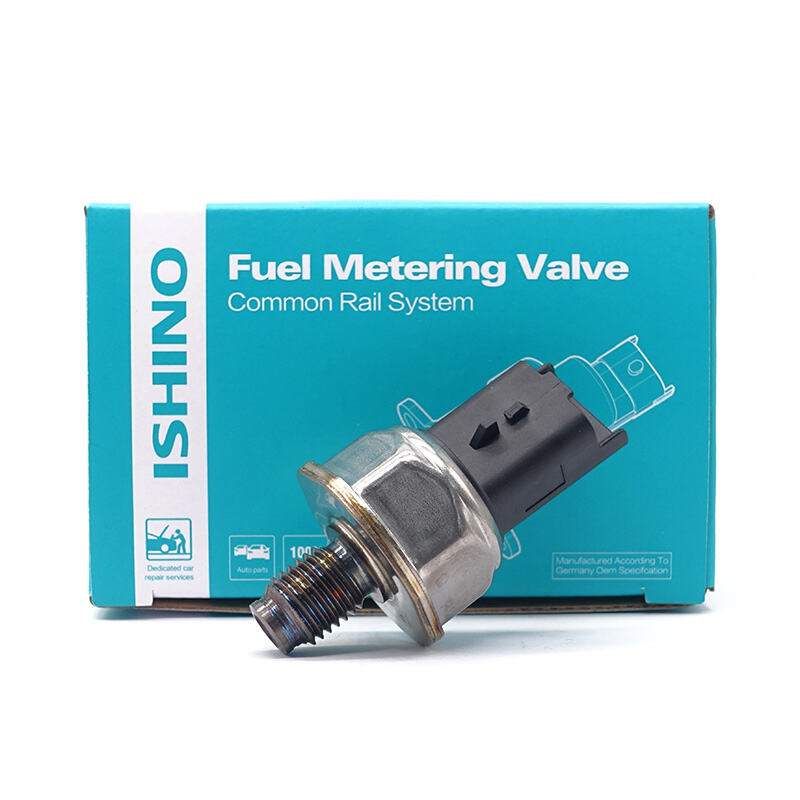
As a typical volumetric control valve within this system, the BK2Q9358AB,FB3Q9358AA warrants a detailed examination of its operating principles and application scenarios. The core of a high-pressure common-rail diesel injection system lies in decoupling fuel pressure generation from the injection process; fuel is pressurized by a high-pressure pump, stored in a common-rail pipe, and subsequently injected by injectors as required. Within this architecture, the volumetric control valve performs the critical task of regulating the fuel intake volume of the high-pressure pump; its operational state directly determines the rate at which common-rail pressure builds and its overall stability.
The operating logic of the volumetric control valve is based on closed-loop control by the ECU. During engine operation, the ECU calculates the target rail pressure using signals from sensors monitoring parameters such as engine speed, load, and coolant temperature, and sends a PWM control signal to the volumetric control valve.
An electromagnetic coil within the valve generates electromagnetic force based on the signal's duty cycle, driving the valve spool to move within the valve body and thereby altering the cross-sectional area of the fuel passage. When the duty cycle increases, the valve opening widens, allowing more fuel to enter the high-pressure pump's compression chamber and causing the common-rail pressure to rise; conversely, reducing the duty cycle decreases fuel supply and lowers the rail pressure. The BK2Q9358AB,FB3Q9358AA utilizes an electromagnetically driven structure that responds rapidly to fuel demands across various engine operating conditions, capable of adjusting its opening within milliseconds.
The valve is installed on the intake side of the high-pressure pump—specifically at the interface between the low-pressure fuel circuit and the high-pressure pump. This positioning allows it to directly control the volume of fuel entering the pump's plunger chamber, rather than regulating pressure by venting fuel on the high-pressure side (as is the case with pressure control valves).
This intake-side metering approach offers advantages such as reduced high-pressure fuel recirculation losses and lower system heat generation, both of which contribute positively to fuel economy. Furthermore, because the valve operates on the low-pressure side, it is subjected to relatively minor hydraulic shock, which helps extend its service life.
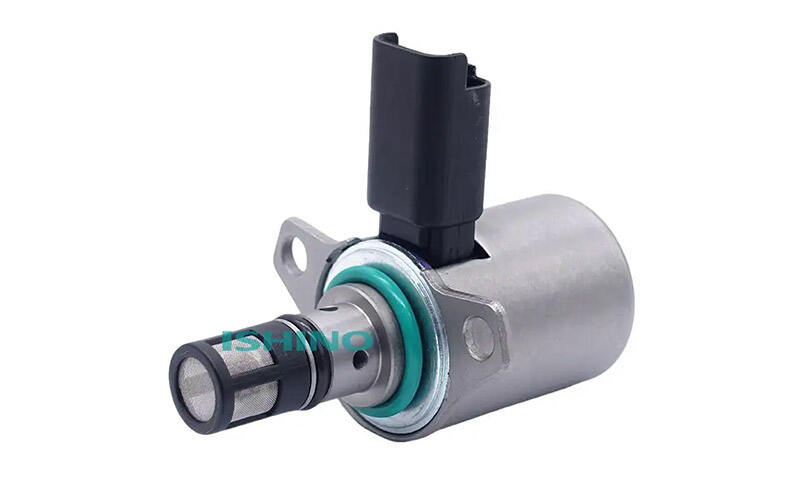
In terms of technical performance, the BK2Q9358AB,FB3Q9358AA demonstrates high control precision and stable flow regulation capabilities.
This valve minimizes common-rail pressure fluctuations by precisely regulating the fuel flow entering the high-pressure fuel pump, resulting in smoother engine operation and improved fuel efficiency. The valve body is designed to withstand the high temperatures of the engine operating environment, maintaining reliable metering performance during prolonged use. During cold starts, the volume control valve works in conjunction with ECU strategies to rapidly build rail pressure, thereby shortening start-up times; during rapid acceleration, the valve quickly increases its opening to ensure an ample fuel supply to the high-pressure pump, guaranteeing responsive acceleration.
The BK2Q9358AB,FB3Q9358AA is primarily used in diesel engines. It is interchangeable with part numbers such as FB3Q-9358-AA and LR086861, and is also applicable to certain Land Rover diesel models. In practical maintenance scenarios, the volume control valve is often a key component to inspect when symptoms such as difficult starting, rough idling, or sluggish rail pressure buildup during acceleration occur. Its operating status can be accurately assessed by reading rail pressure deviation data via a diagnostic tool and measuring the valve's electrical resistance.


 86-750-2882555/2880222
 Diesel@ishino.cn