In the vast ecosystem of sensors that monitor and manage modern machinery, the speed sensor occupies a position of foundational importance. This component, often hidden within housings or integrated into assemblies, provides critical data that informs control systems about rotational or linear motion. Its applications span automotive traction control, aircraft wheel speed monitoring, industrial conveyor systems, and marine propulsion, making it one of the most widely deployed sensing technologies in the engineering world.
A Cornerstone of Vehicle Dynamics
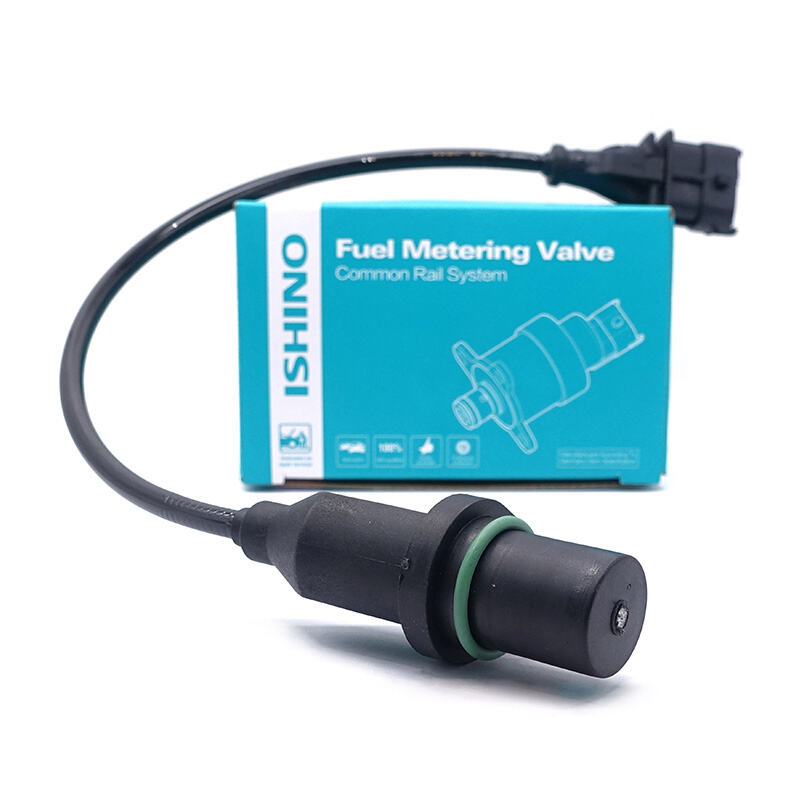
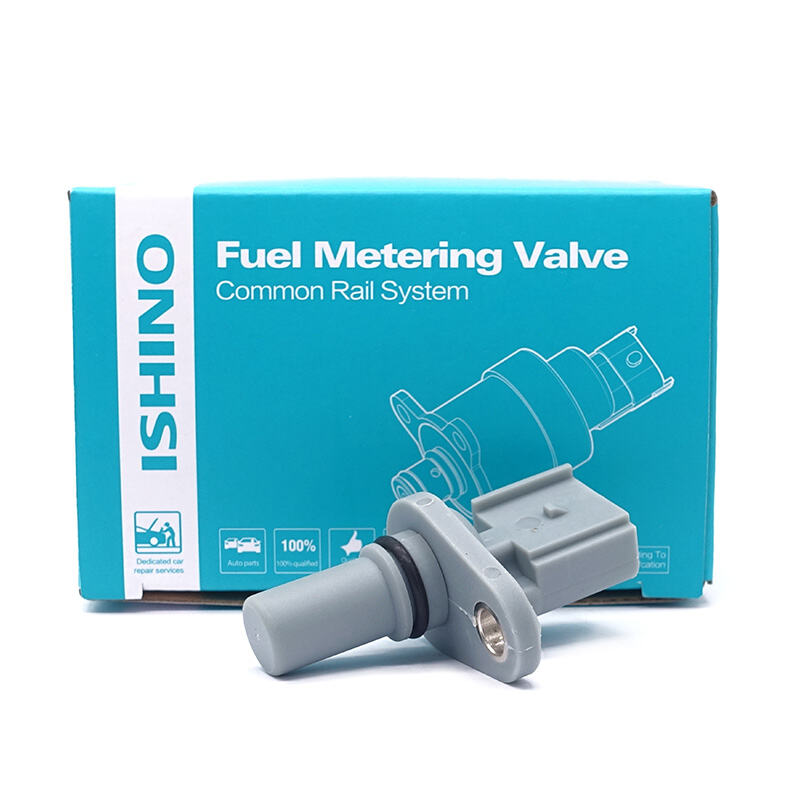
In the automotive sector, speed sensors are integral to a host of safety and performance systems. Anti-lock braking systems rely on wheel speed sensors to detect impending lock-up, allowing the control unit to modulate brake pressure and maintain vehicle stability. Similarly, traction control and electronic stability programs use speed data to compare wheel rotation rates, identifying slip and intervening to restore grip. Engine management systems also depend on crankshaft and camshaft position sensors, which provide timing information essential for fuel injection and ignition coordination. Without accurate speed feedback, these systems would operate in open loop, lacking the precision required for modern driving dynamics.
Diverse Technologies for Varied Demands
Speed sensors employ several distinct measurement principles, each suited to specific environments and accuracy requirements. Variable reluctance sensors, which generate an alternating signal as teeth pass a magnetic pickup, are common in industrial and automotive applications due to their simplicity and durability. Hall-effect sensors offer improved low-speed performance and are increasingly used in anti-lock braking and transmission control. Optical encoders provide high-resolution output for precision motion control in manufacturing equipment, while eddy-current sensors are preferred in harsh environments where contaminants may interfere with optical or magnetic paths. The choice of sensor type reflects a balance between cost, environmental robustness, and the required measurement resolution.
Previoussss:Fuel Pump Pressure Valve: Ensuring Stability in Fluid Delivery Systems
Next:Injection Pressure Regulator: The Quiet Guardian of Combustion Precision


 86-750-2882555/2880222
 Diesel@ishino.cn
_16.jpg)
_50.jpg)
_46.jpg)
_27.jpg)
_20.jpg)
_54.jpg)