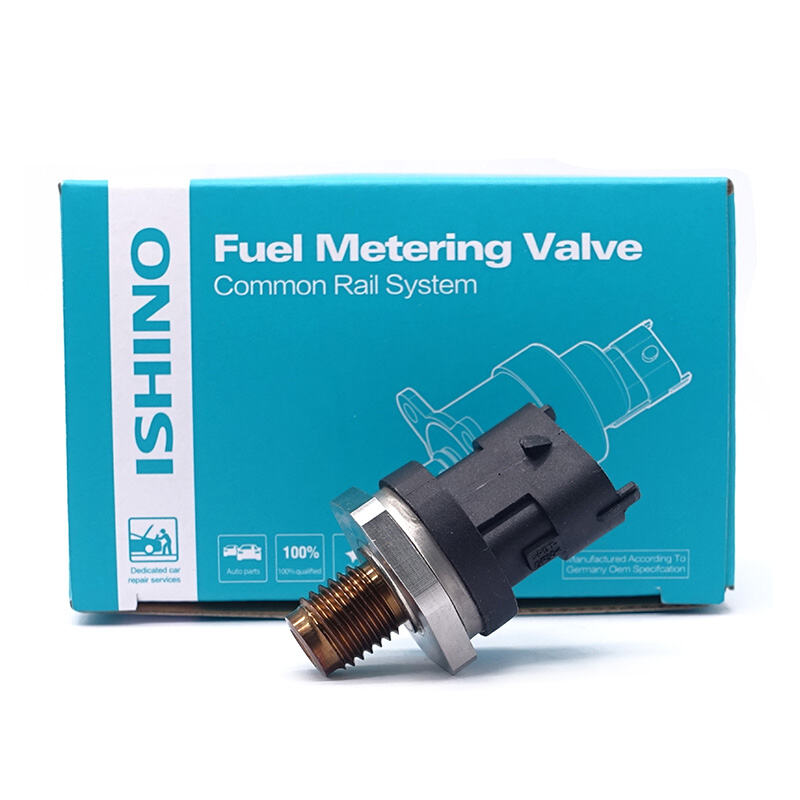
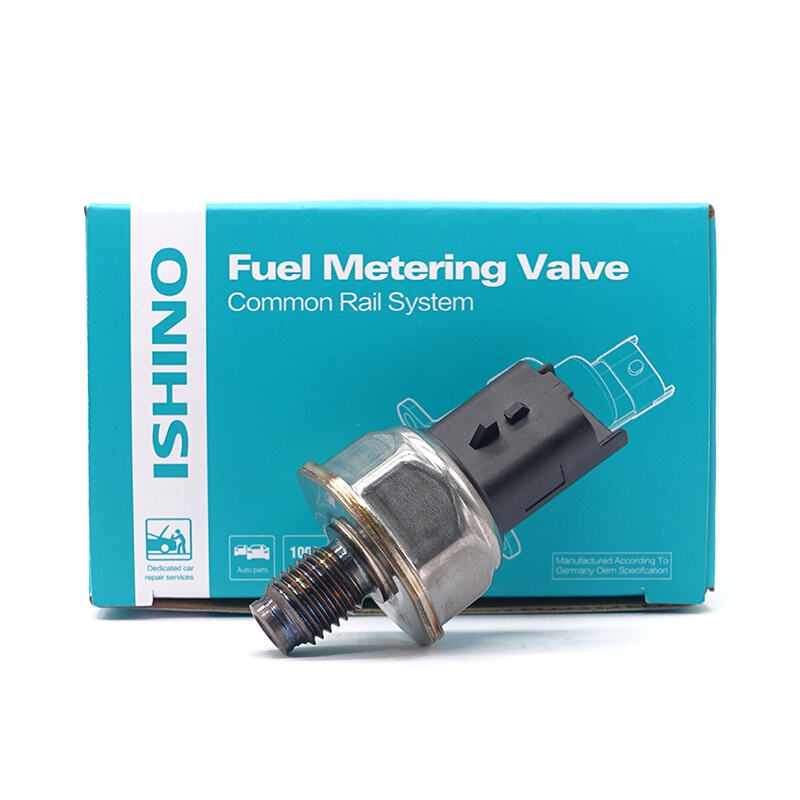
Within the intricate framework of modern fluid delivery systems, the fuel pump pressure valve plays a foundational role in maintaining operational stability. This component, though often overshadowed by larger assemblies, is essential for regulating the pressure within the fuel supply circuit, ensuring that downstream components receive fluid within their required operating ranges. Its influence is felt across automotive, aerospace, marine, and industrial power generation sectors, where consistent fuel pressure is a prerequisite for reliable engine performance.
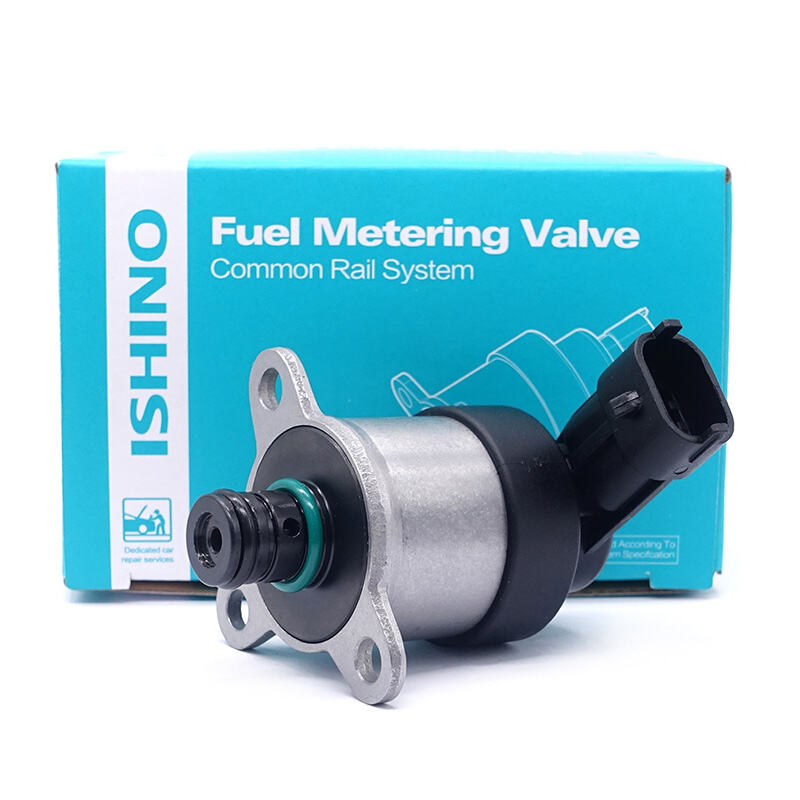
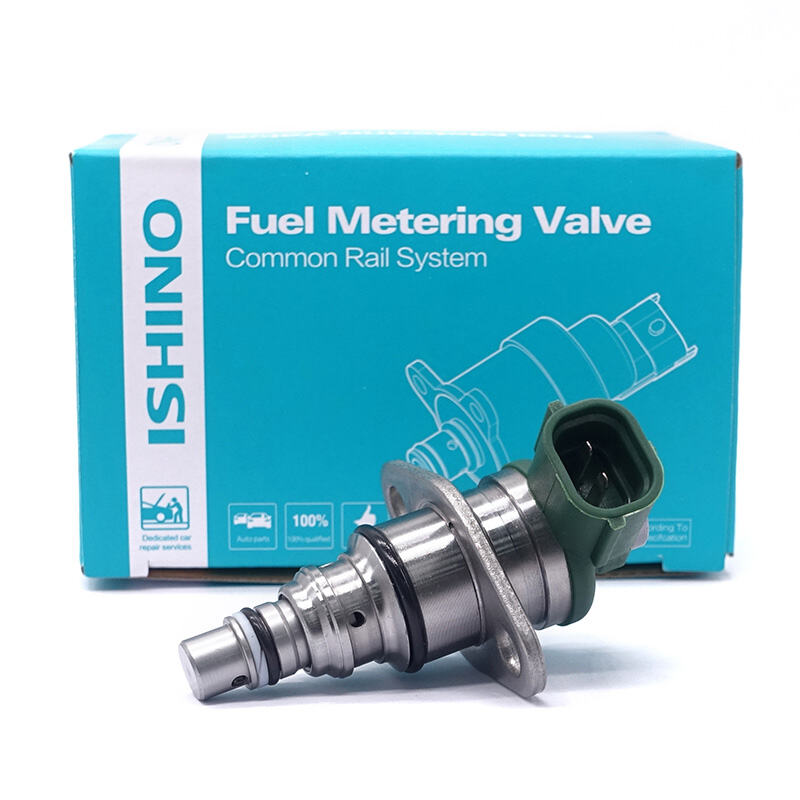
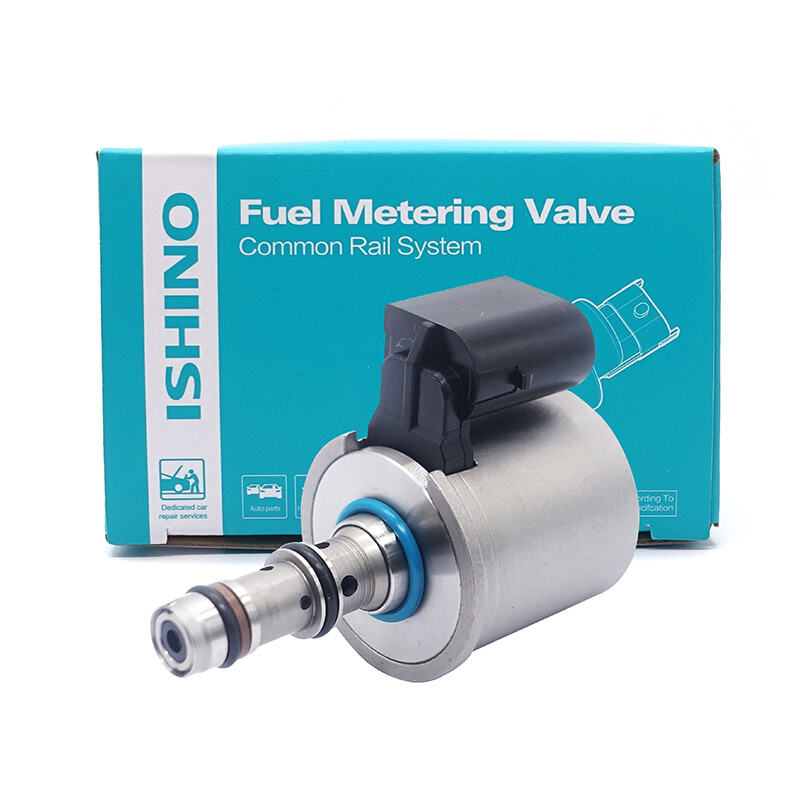
The fuel pump pressure valve functions as a pressure-limiting or pressure-regulating device, depending on the system architecture. In many applications, it is integrated into the pump assembly or mounted externally on the fuel rail. Its primary task is to modulate the pressure of the fuel delivered to the injectors or carburetor, compensating for variations in pump output and engine demand. By maintaining pressure within a defined band, the valve enables precise fuel metering, which in turn supports stable combustion and reduces the risk of lean or rich conditions that could compromise efficiency or emissions.
One of the key challenges in pressure valve design is managing the dynamic behavior of the fuel system. During rapid throttle changes or load transitions, pressure spikes can occur, potentially damaging sensitive components or causing erratic injector operation. The pressure valve must respond quickly to these transients, opening to relieve excess pressure or closing to maintain system pressure as demand drops. This requires careful tuning of the valve's spring rate and orifice geometry to achieve the desired response characteristics without introducing instability.
Material selection is another critical aspect of pressure valve engineering. The valve must withstand prolonged exposure to fuel, which may contain additives, ethanol, or other corrosive elements. Additionally, the valve experiences cyclic loading as it opens and closes, leading to potential fatigue over time. Manufacturers have developed specialized alloys and coatings that resist corrosion and wear, extending the service life of the valve while maintaining consistent performance. For high-pressure applications, such as those found in common rail diesel systems, the valve materials must also endure elevated stresses without deformation.
Previoussss:Fuel Metering Valve: A Critical Component in Modern Engine Systems
Next:Speed Sensor: The Unsung Enabler of Modern Motion Control


 86-750-2882555/2880222
 Diesel@ishino.cn
_16.jpg)
_50.jpg)
_46.jpg)
_27.jpg)
_20.jpg)
_54.jpg)