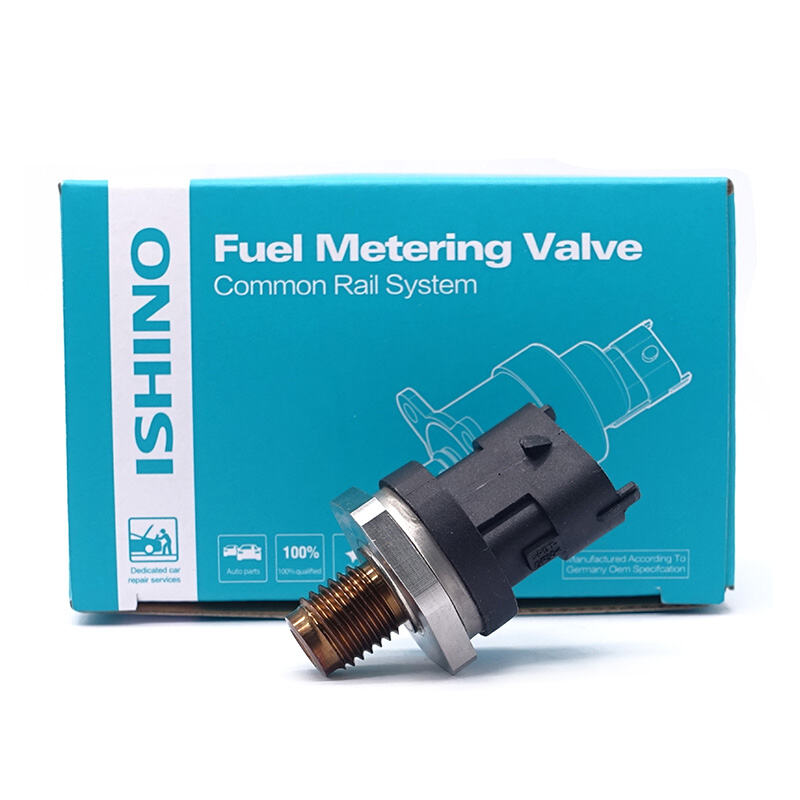
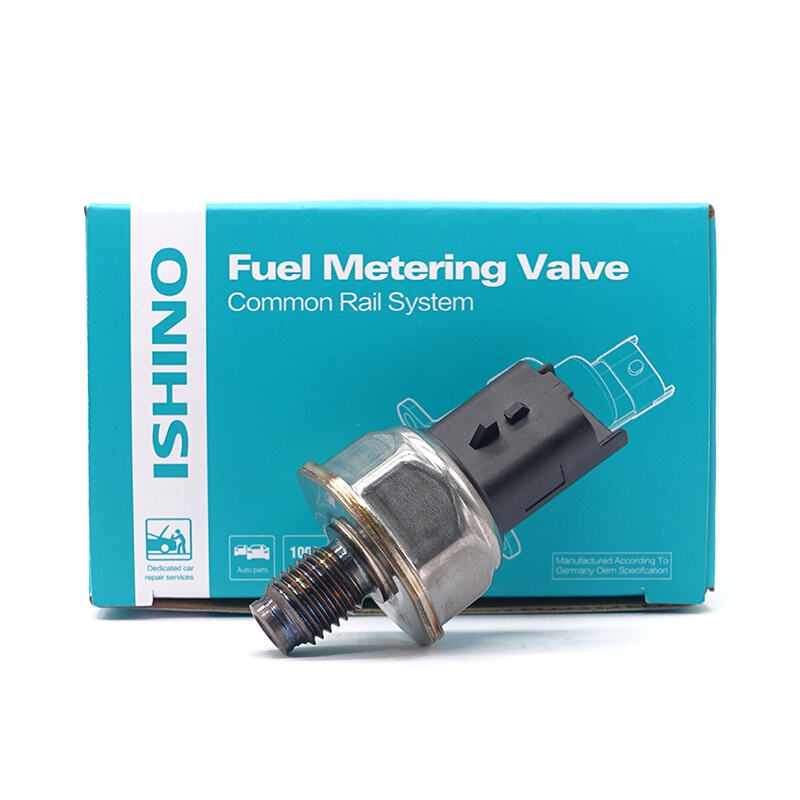
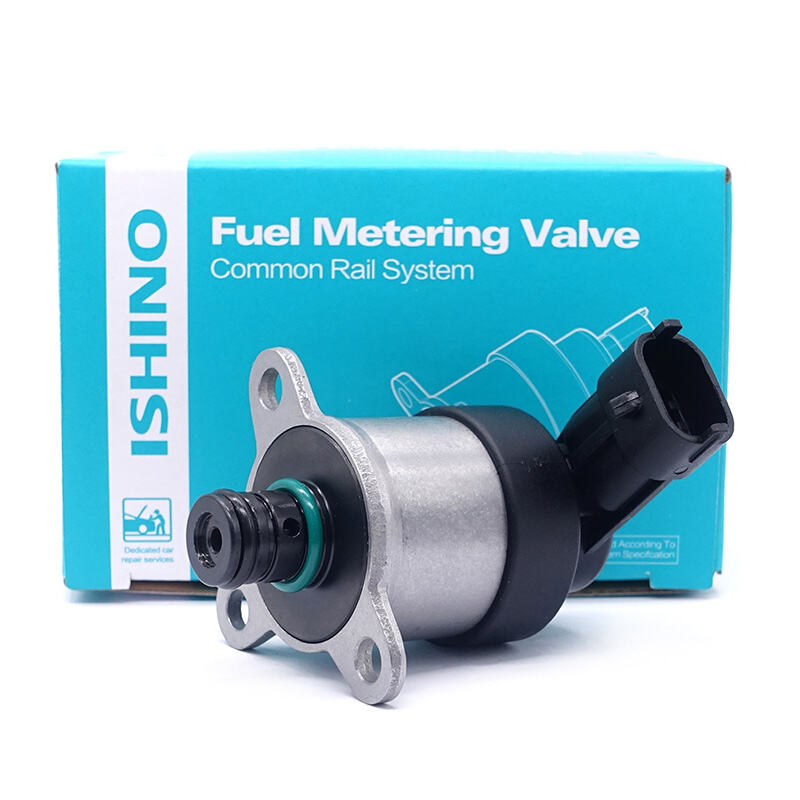
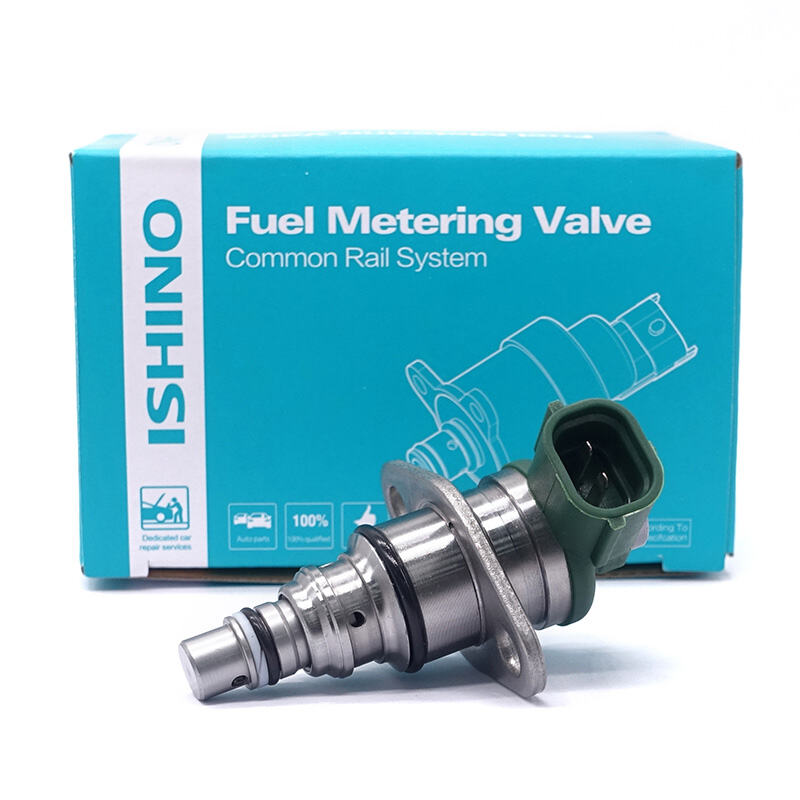
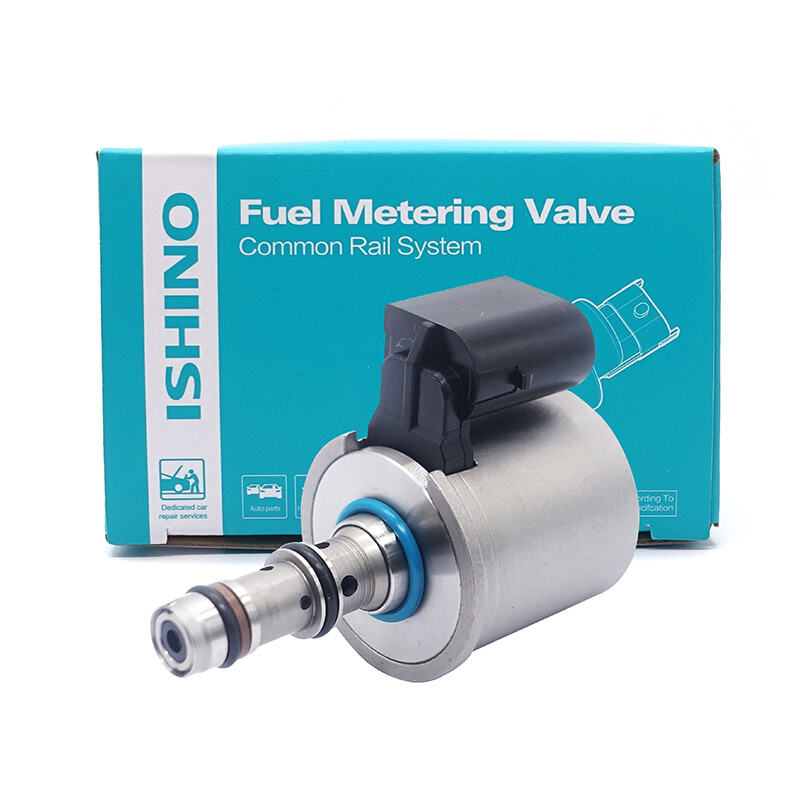
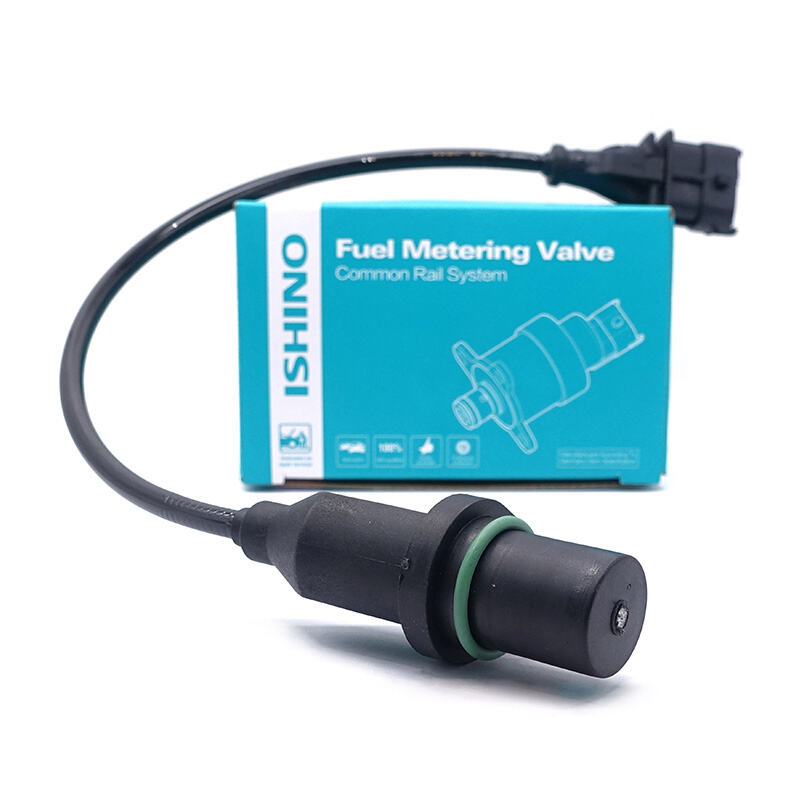
In the intricate network of components that constitute a modern engine, few play as pivotal a role as the fuel metering valve. This device, often regarded as the linchpin of fuel control, ensures that the engine receives the precise amount of fuel required to meet operational demands. Its influence extends across aviation, marine, automotive, and industrial power generation sectors, where accuracy in fuel delivery directly translates to performance, efficiency, and reliability.
The fuel metering valve operates within a broader fuel control system, responding to commands from the engine control unit. It adjusts the flow area to regulate the quantity of fuel supplied to the combustor or cylinders. This adjustment must occur with high precision, as even minor deviations can affect combustion stability, emissions, and power output. For instance, in gas turbine engines, the valve’s responsiveness is key to maintaining stable thrust across varying flight conditions, from takeoff to cruise. Similarly, in large marine diesel engines, the valve ensures that fuel is metered correctly to optimize fuel economy and meet stringent environmental regulations.
One of the ongoing challenges in fuel metering valve design is the influence of fuel temperature on viscosity and density. As fuel warms or cools, its physical properties change, which can alter the pressure distribution and flow characteristics within the valve. This, in turn, affects the dynamic response of the metering mechanism. Engineers have developed advanced modeling techniques to simulate these thermal effects, enabling the design of valves that maintain consistent performance over a wide range of operating temperatures. Such models also help in selecting appropriate materials and coatings to reduce wear and extend service life.
Another significant factor is the cleanliness of fuel. Contaminants such as water, particulates, or microbial growth can impair valve operation, leading to sticking, hysteresis, or even complete failure. To mitigate this, fuel systems often incorporate filtration and water separation stages upstream of the metering valve. Additionally, valve designs now incorporate features that reduce the risk of contamination-related issues, such as hardened spool surfaces and optimized clearances that minimize particle entrapment.
The evolution of control strategies has also contributed to improved fuel metering accuracy. Traditional mechanical-hydraulic controls have been largely replaced by electronic systems that offer faster response times and greater flexibility. These systems can integrate feedback from various sensors—such as temperature, pressure, and rotational speed—to adjust fuel flow in real time, ensuring optimal combustion under all conditions. Furthermore, modern control algorithms can compensate for component aging and wear, maintaining performance throughout the engine’s lifecycle.
Previoussss:NO!
Next:Fuel Pump Pressure Valve: Ensuring Stability in Fluid Delivery Systems


 86-750-2882555/2880222
 Diesel@ishino.cn
_16.jpg)
_50.jpg)
_46.jpg)
_27.jpg)
_20.jpg)
_54.jpg)