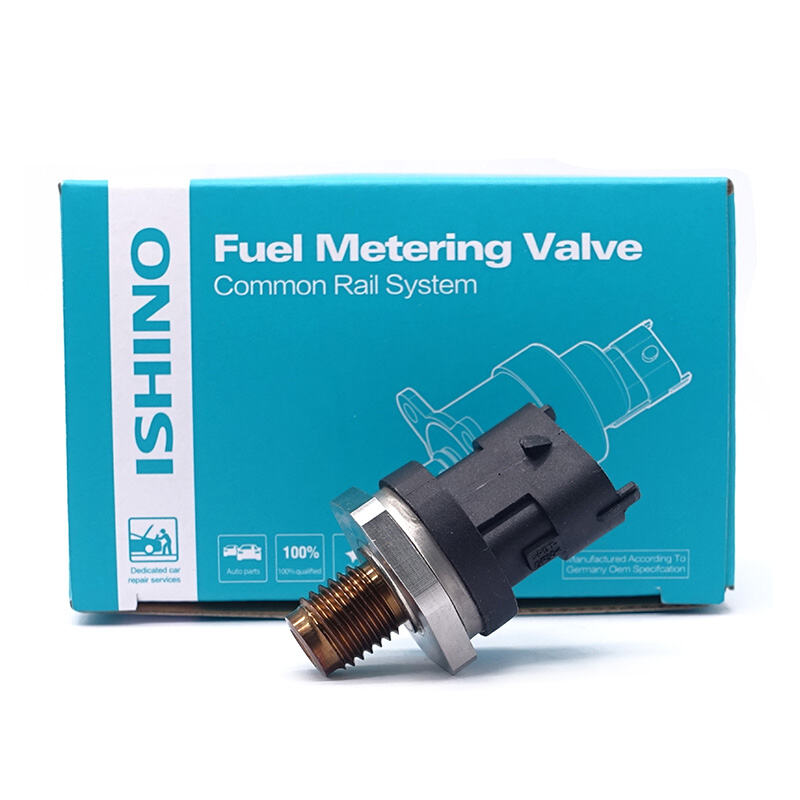
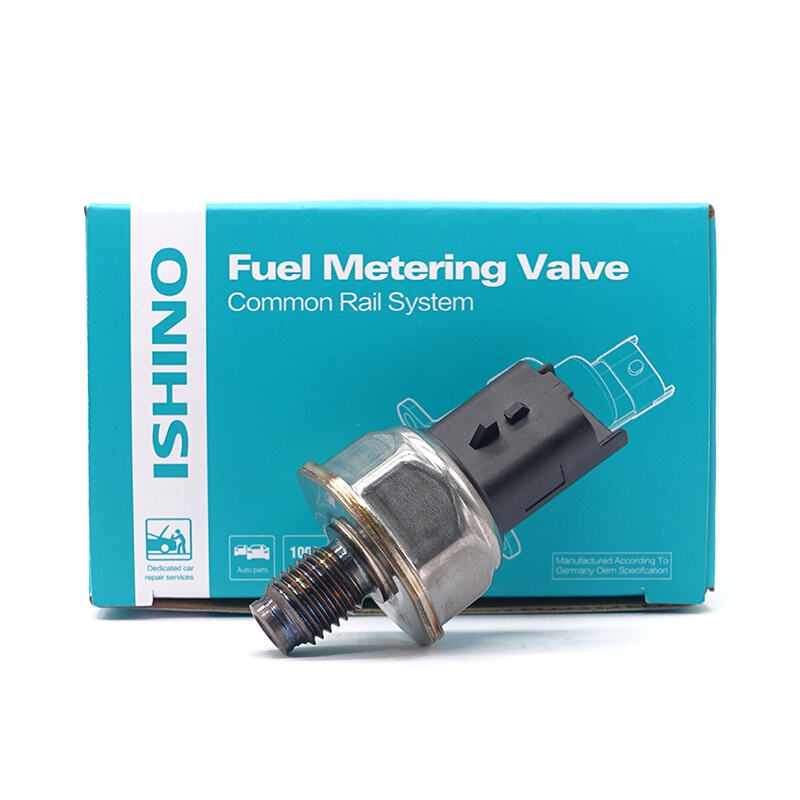
Across the spectrum of internal combustion engines—from compact automotive powerplants to massive marine diesels and industrial gensets—one component quietly ensures that fuel is delivered at the right moment and with the right force. The injection pressure regulator, though often unnoticed, stands as a critical enabler of efficient combustion, low emissions, and responsive performance.
The Role Within the Fuel System
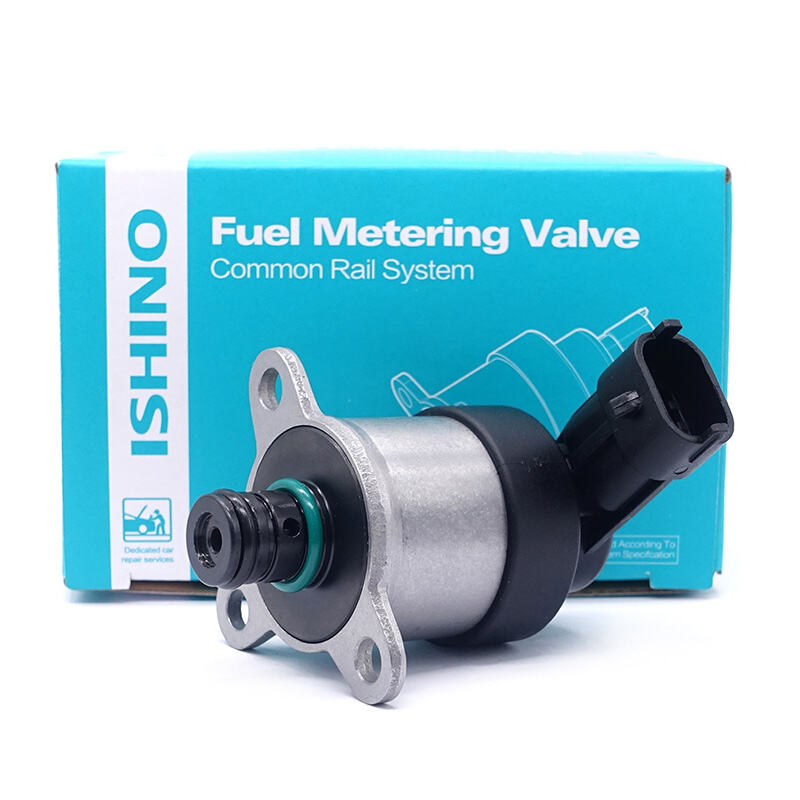
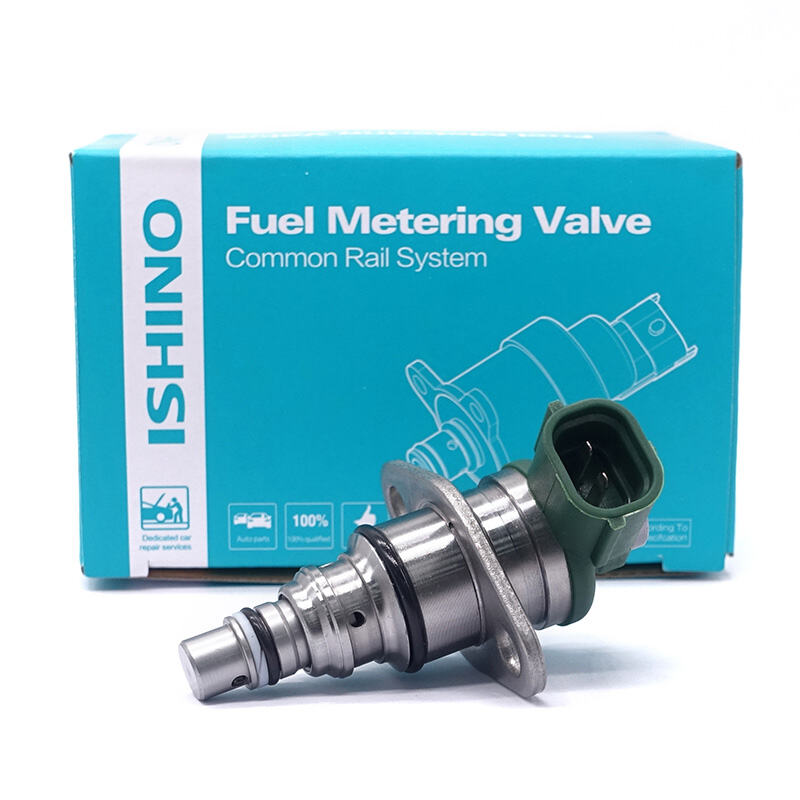
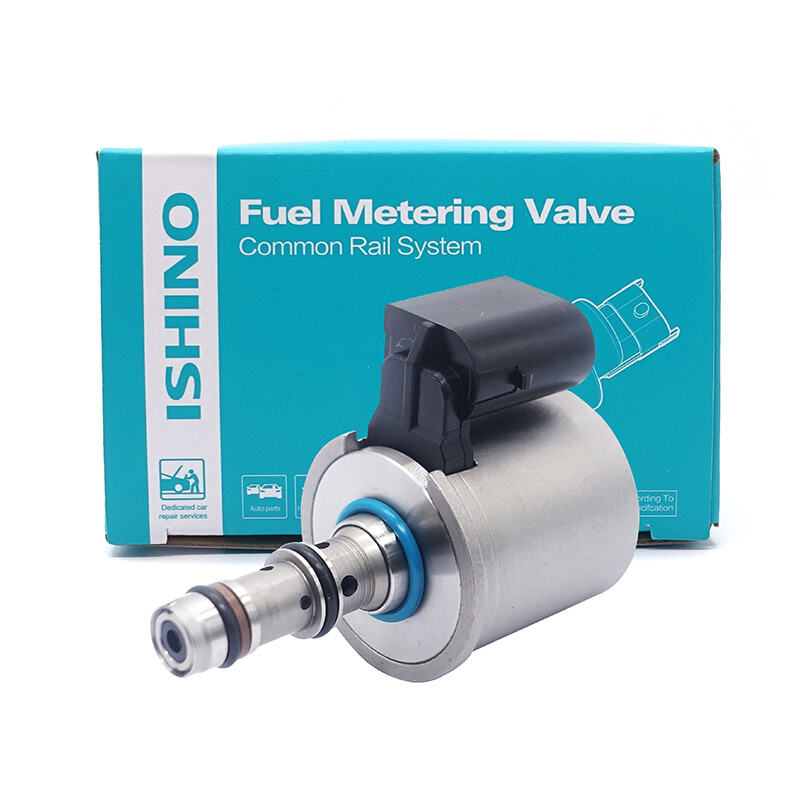
The injection pressure regulator manages the pressure of fuel supplied to the injectors, maintaining it within a defined operating band regardless of variations in pump output, engine speed, or load demand. By doing so, it ensures that the fuel spray characteristics—droplet size, penetration, and cone angle—remain consistent, which is essential for complete combustion. In common rail systems, the regulator works in concert with the high-pressure pump and the engine control unit to achieve rapid pressure adjustments, enabling multiple injection events per cycle and providing the flexibility needed for modern combustion strategies.
Meeting the Demands of Modern Engines
Today's engines operate under an increasingly wide range of conditions. Cold starts, high-altitude operation, transient acceleration, and sustained high-load running all place different demands on the fuel system. The injection pressure regulator must respond swiftly to these changes, adjusting pressure without introducing hysteresis or overshoot. This responsiveness is achieved through precise hydraulic design and, in many systems, electronic actuation that allows the control unit to command pressure changes in milliseconds.
The regulator also plays a role in system protection. By limiting maximum pressure, it prevents over-pressurization that could damage injectors, seals, or fuel lines. Conversely, by maintaining minimum pressure during low-load operation, it ensures that injectors receive adequate fuel for stable idling and smooth acceleration. This dual function—both enabling performance and safeguarding components—makes the regulator an integral part of the fuel system architecture.
Technological Evolution and Challenges
The progression from mechanical to electronic control has transformed injection pressure regulation. Early regulators relied on spring-and-diaphragm mechanisms that responded to pressure differentials. While robust, these mechanical devices had limited adaptability. Modern electronic pressure regulators incorporate solenoid or piezoelectric actuators that allow closed-loop control, with pressure sensors providing feedback to the engine control unit. This arrangement enables precise pressure control across the entire operating map, adapting to fuel temperature, viscosity, and aging of components.
One of the ongoing challenges is managing the influence of fuel properties on regulation accuracy. Fuels vary in density, viscosity, and compressibility, which affect the dynamic behavior of the regulator. Additionally, the presence of biofuels or alternative fuels introduces further variability. Engineers address these issues through sophisticated control algorithms that compensate for fuel property variations, ensuring consistent performance regardless of fuel composition.
Previoussss:Speed Sensor: The Unsung Enabler of Modern Motion Control
Next:7701206905 fuel intake metering valve assists in the operation of diesel common rail system


 86-750-2882555/2880222
 Diesel@ishino.cn
_16.jpg)
_50.jpg)
_46.jpg)
_27.jpg)
_20.jpg)
_54.jpg)