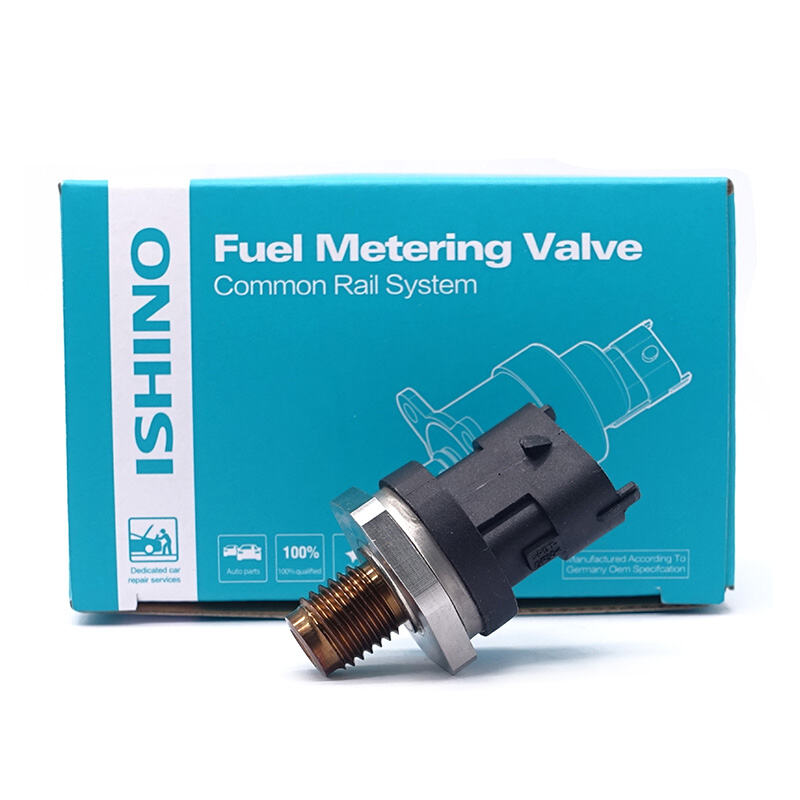
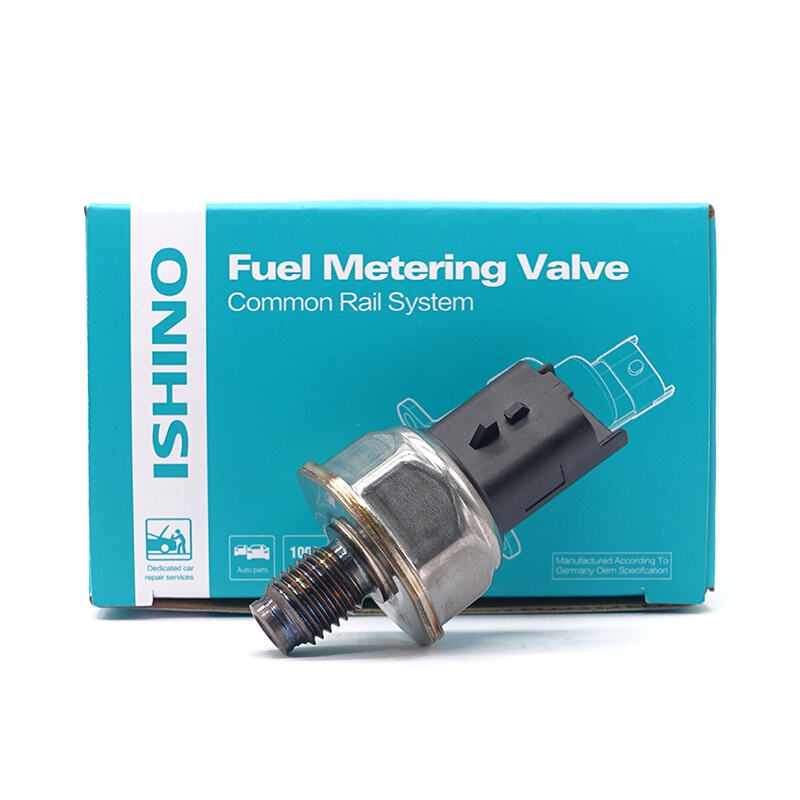
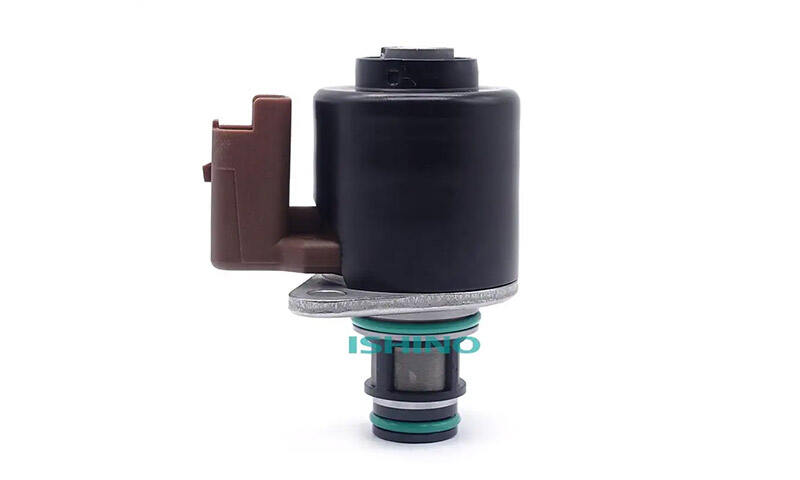
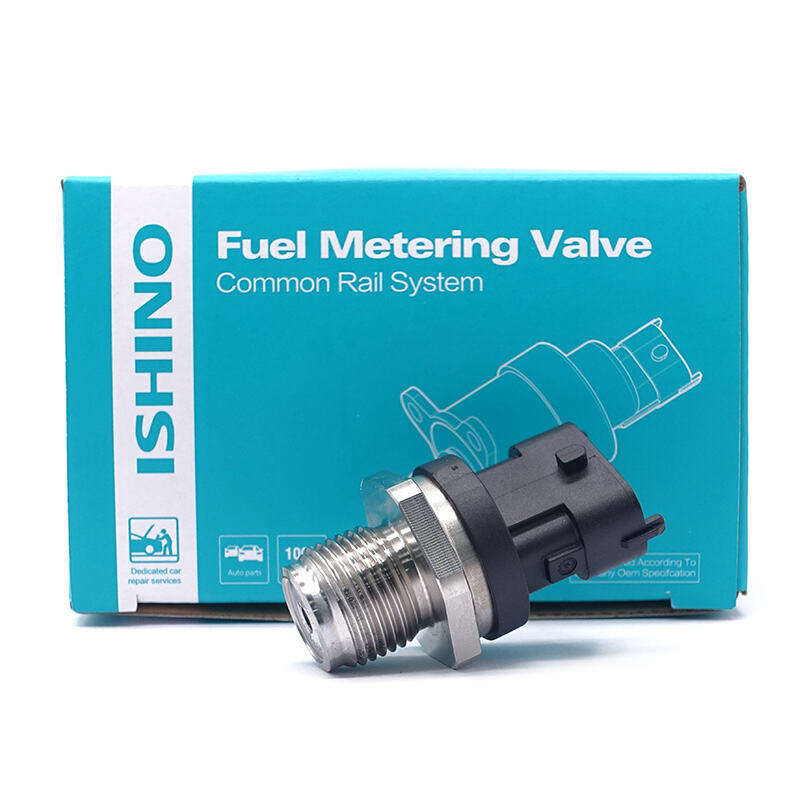
In the maintenance and component selection for diesel high-pressure common-rail systems, the fuel Inlet Metering Valve (IMV) is a key electronically controlled component that frequently draws attention.
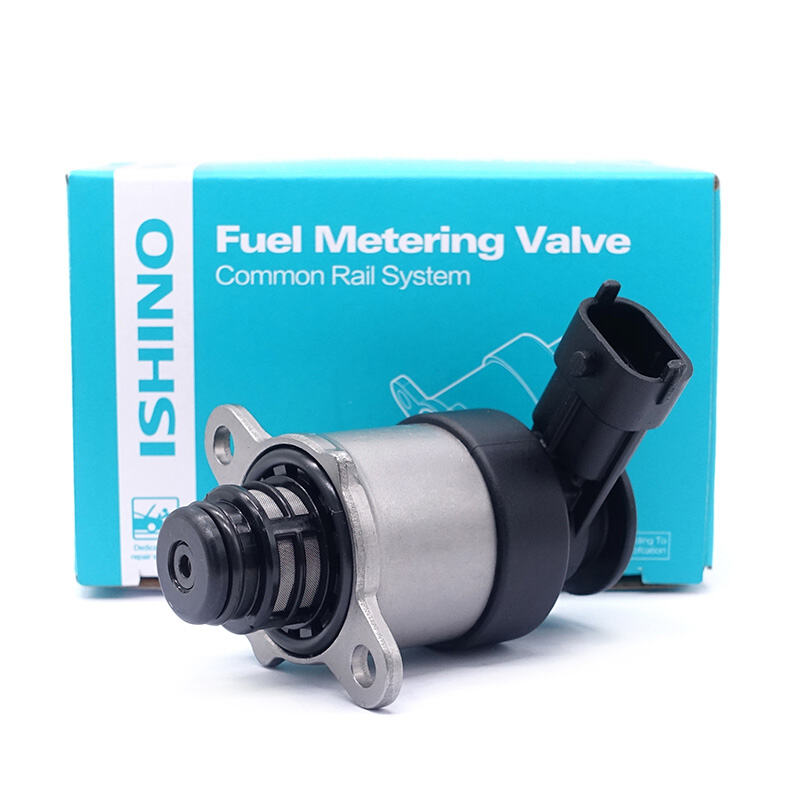
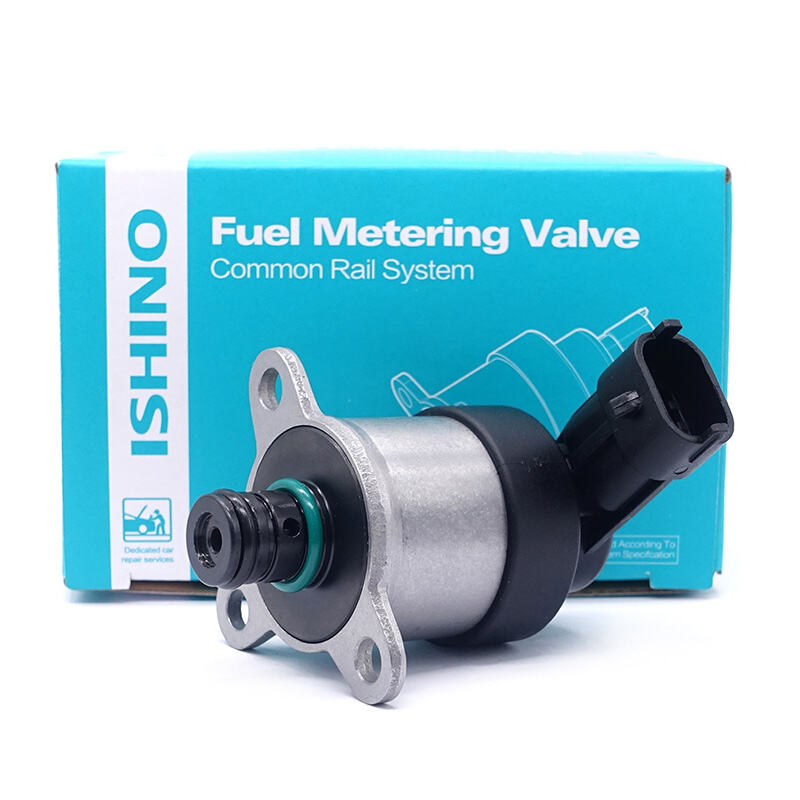
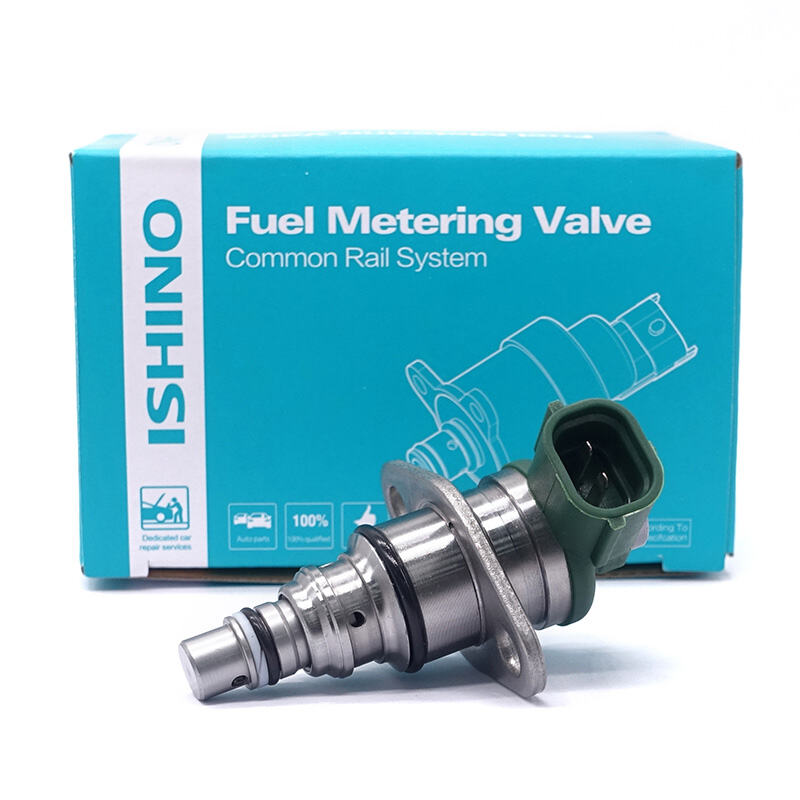
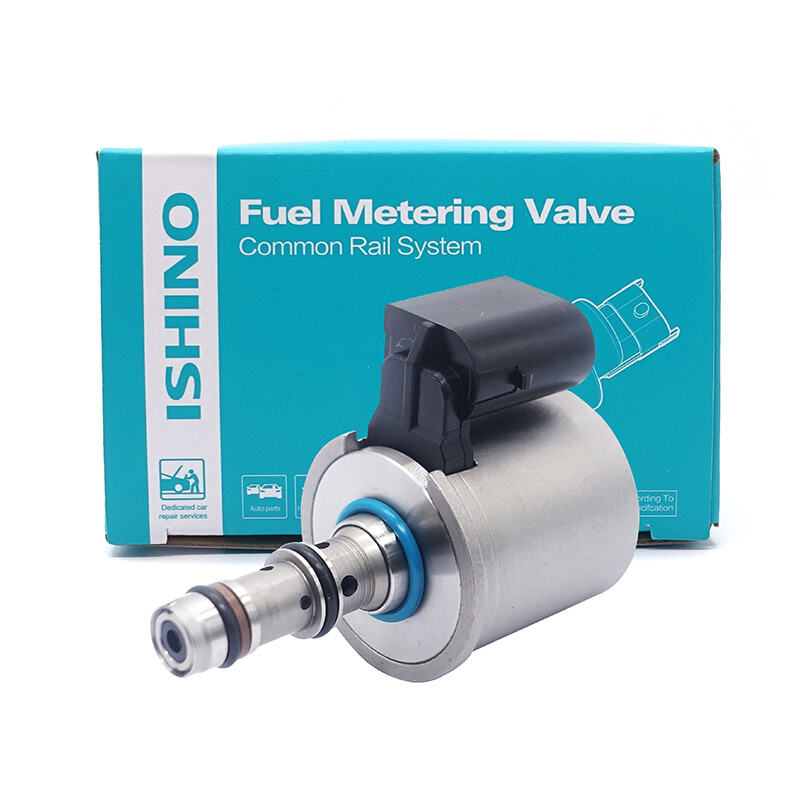
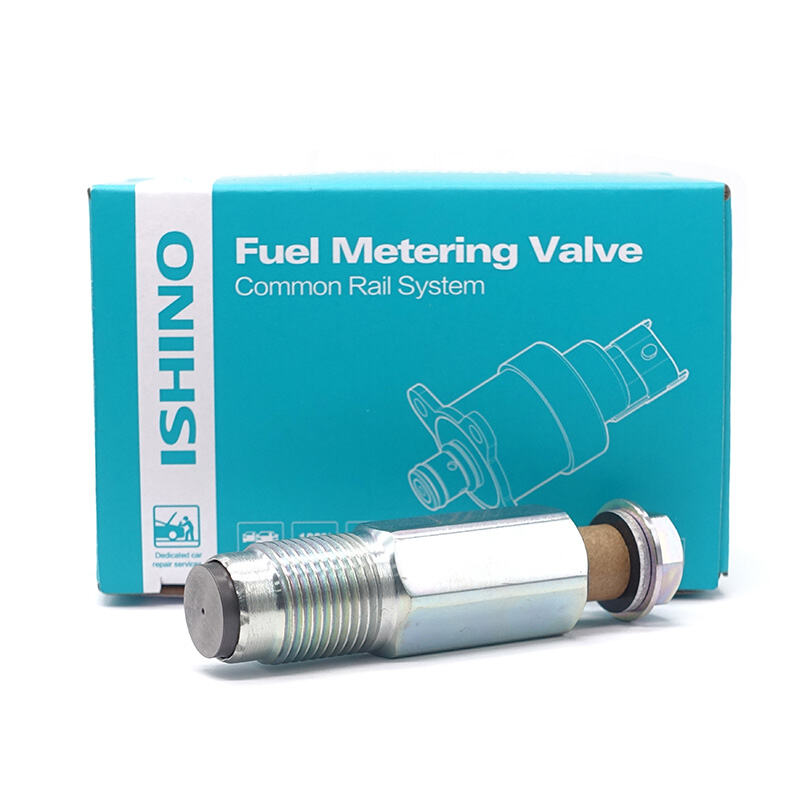
The 4S4Q9G586AA IMV is installed at the low-pressure inlet of the high-pressure fuel pump. As an electromagnetic proportional valve, it receives PWM signals from the ECU to regulate the volume of fuel entering the pump, thereby enabling closed-loop control of the common-rail pressure. Industry professionals often confuse the IMV with the DRV (Pressure Regulating Valve); however, they operate in different locations: the IMV is situated on the low-pressure side to control fuel intake, whereas the DRV is located on the high-pressure return side to regulate return flow.
The 4S4Q9G586AA IMV utilizes PWM signals to actuate the valve spool, with the electronic control unit dynamically adjusting commands based on real-time engine operating conditions. During scenarios such as cold starts, accelerating uphill, or load transitions, the valve responds rapidly to ECU commands, instantly adjusting fuel supply to match the engine's power demands. This rapid response capability prevents lag in rail pressure regulation and mitigates sluggish power response.
Stable fuel supply is a key highlight of this valve. Across the entire operating range, the 4S4Q9G586AA IMV maintains precise flow control, ensuring minimal fluctuations in rail pressure. Stable rail pressure ensures consistent injection parameters for every injection event, resulting in smoother engine operation, reduced idle vibration, and an overall improvement in operational quality. Precise fuel control at the source also reduces the load on the high-pressure fuel pump, enabling efficient fuel management with lower consumption.
The valve's core moving parts are made from wear-resistant materials capable of withstanding high temperatures, high pressures, and abrasion, making them suitable for the harsh operating environments of diesel engines. The product is manufactured in strict accordance with OE standards and undergoes rigorous testing—including flow rate, response speed, and durability checks—prior to leaving the factory to ensure consistent performance. Its reliable quality reduces the likelihood of component failure and extends service life, minimizing losses associated with equipment downtime and maintenance while ensuring the continuous, reliable operation of the entire common-rail fuel system.
Previoussss:Upgrade of Diesel Common-Rail Fuel Supply Logic A Brief Analysis of the 9307Z523B Fuel Inlet Metering Valve


 86-750-2882555/2880222
 Diesel@ishino.cn
_16.jpg)
_50.jpg)
_46.jpg)
_27.jpg)
_20.jpg)
_54.jpg)