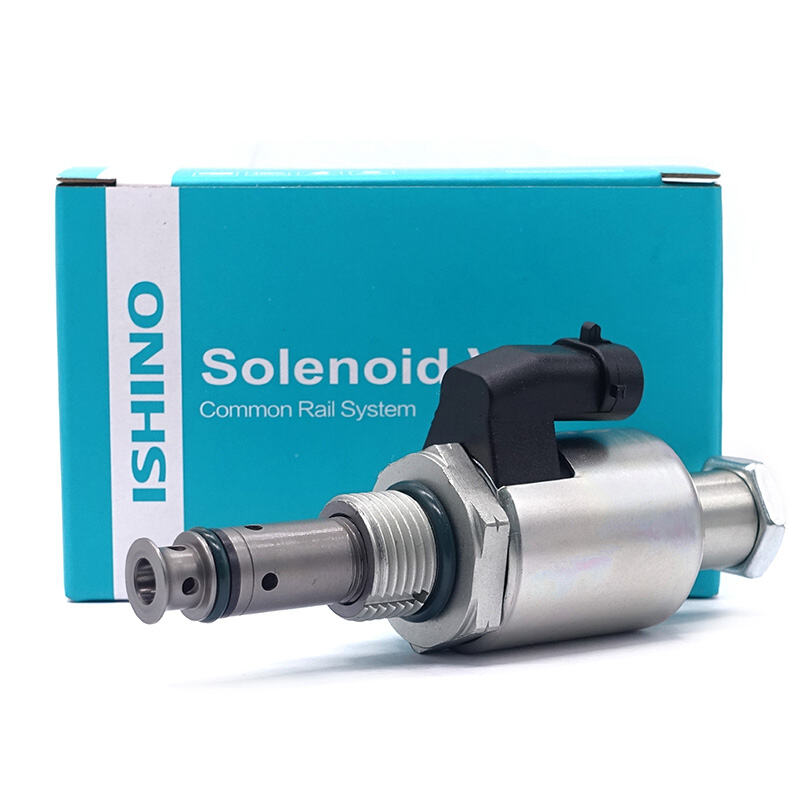
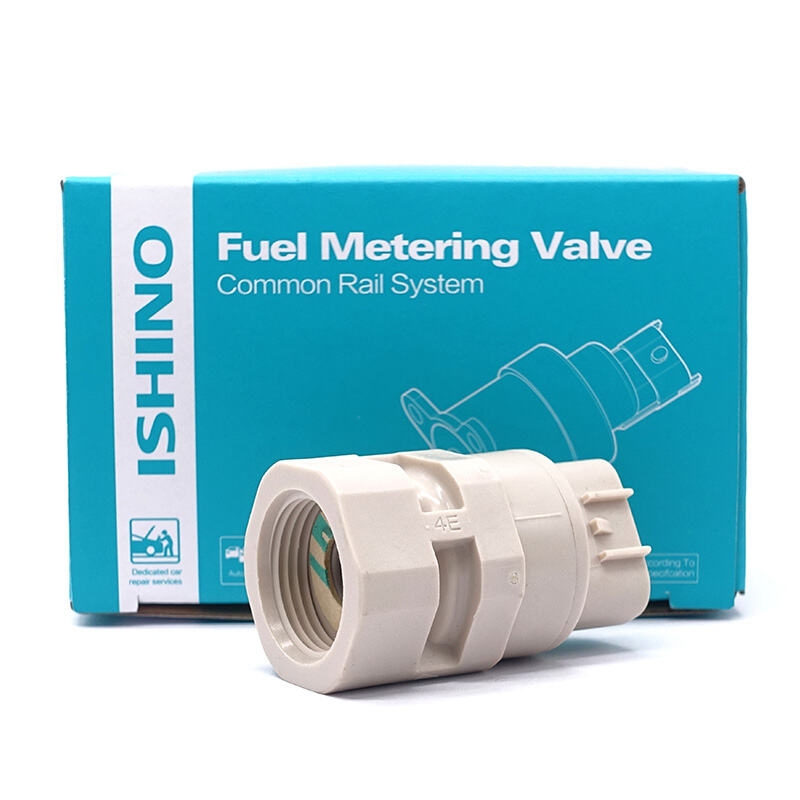
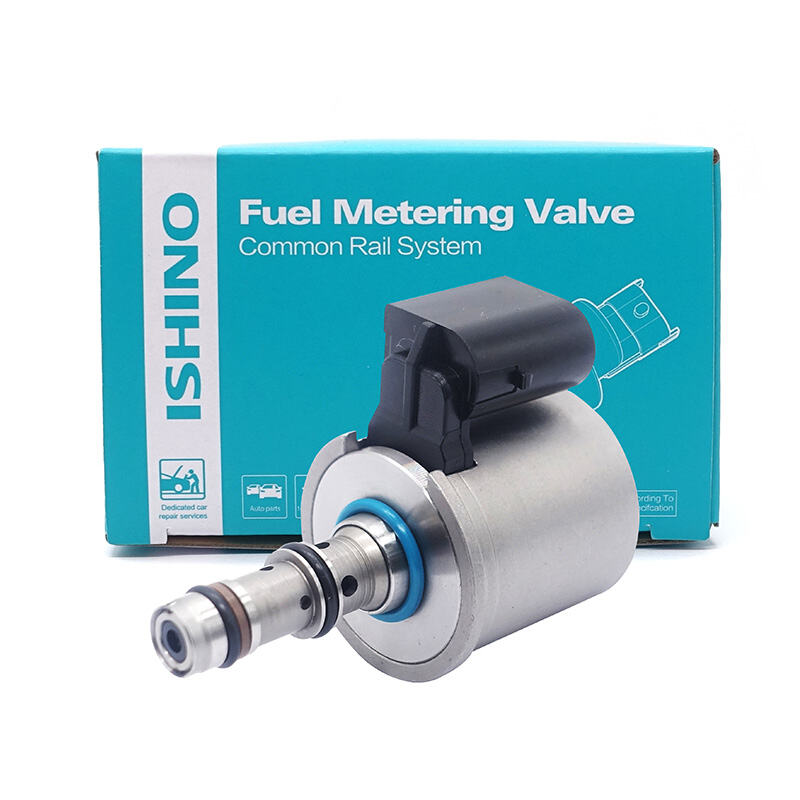
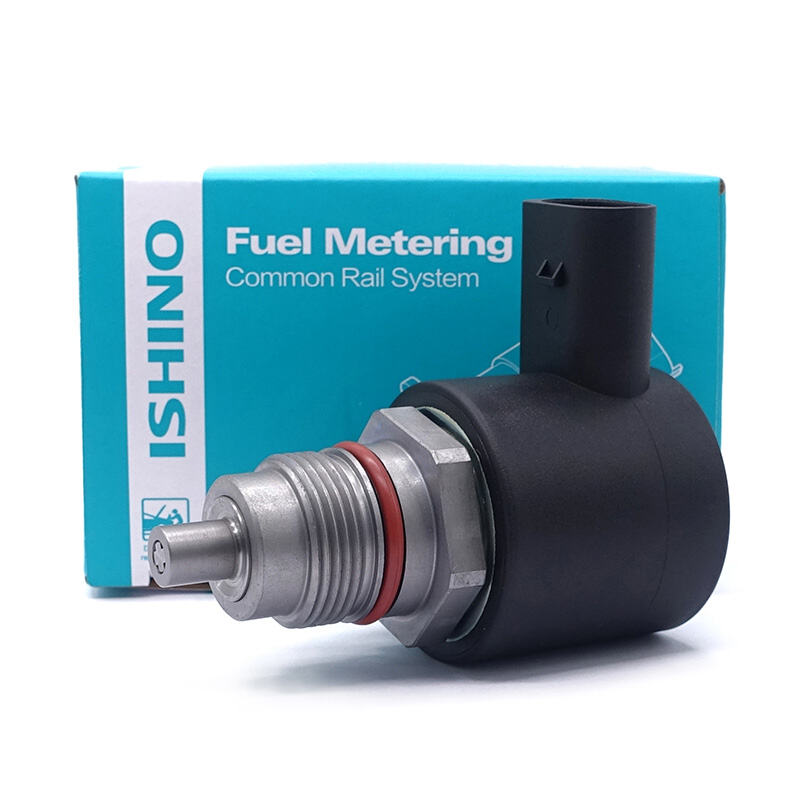
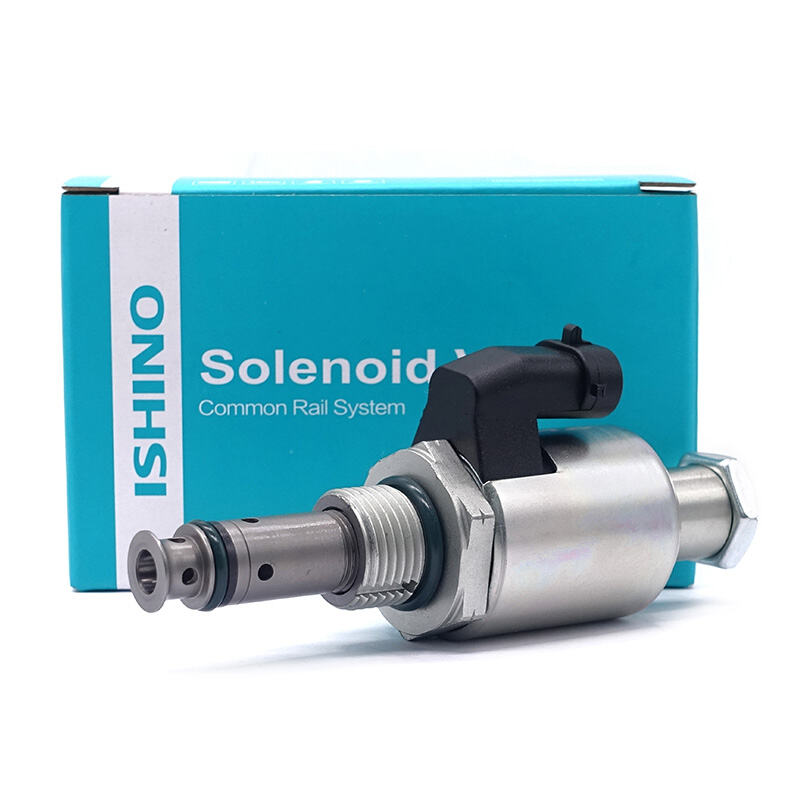
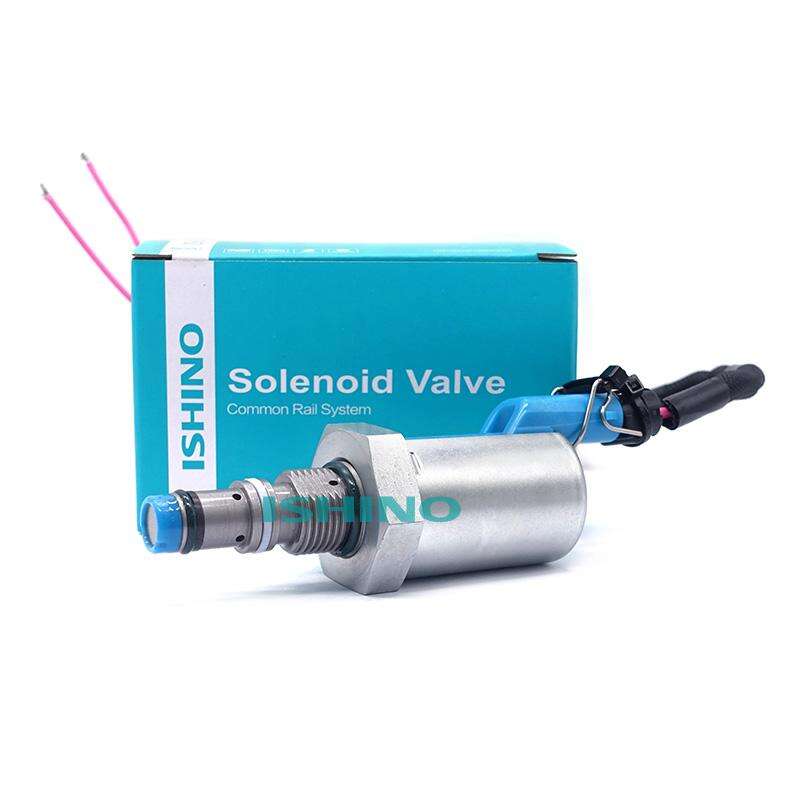
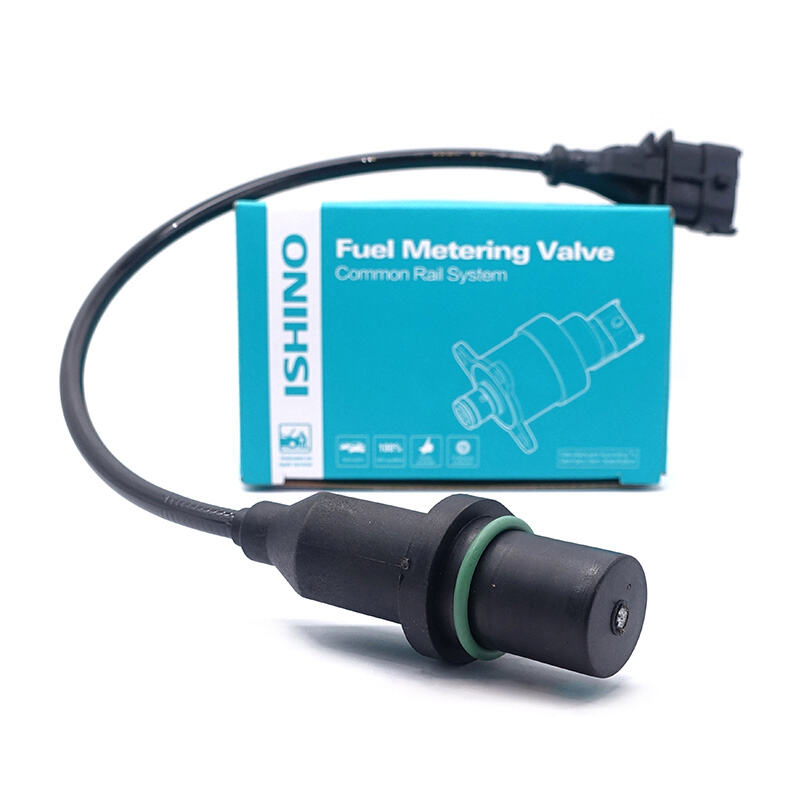
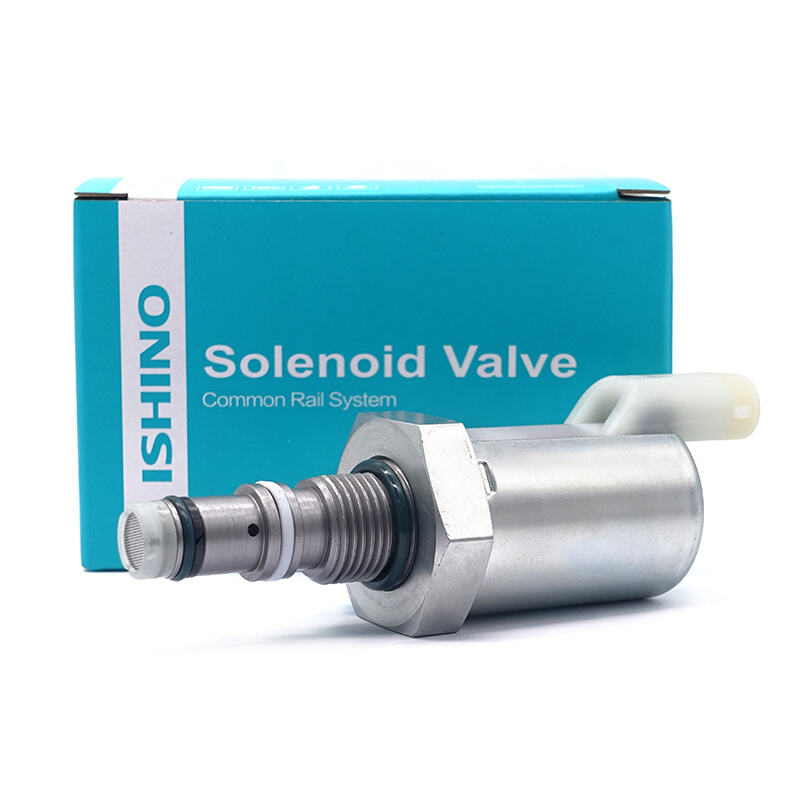
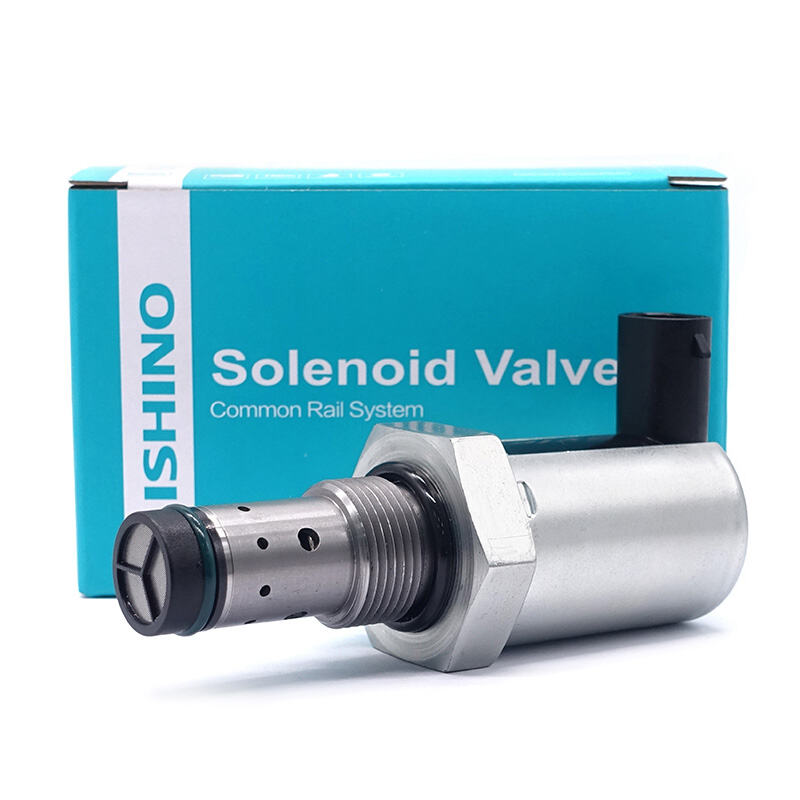
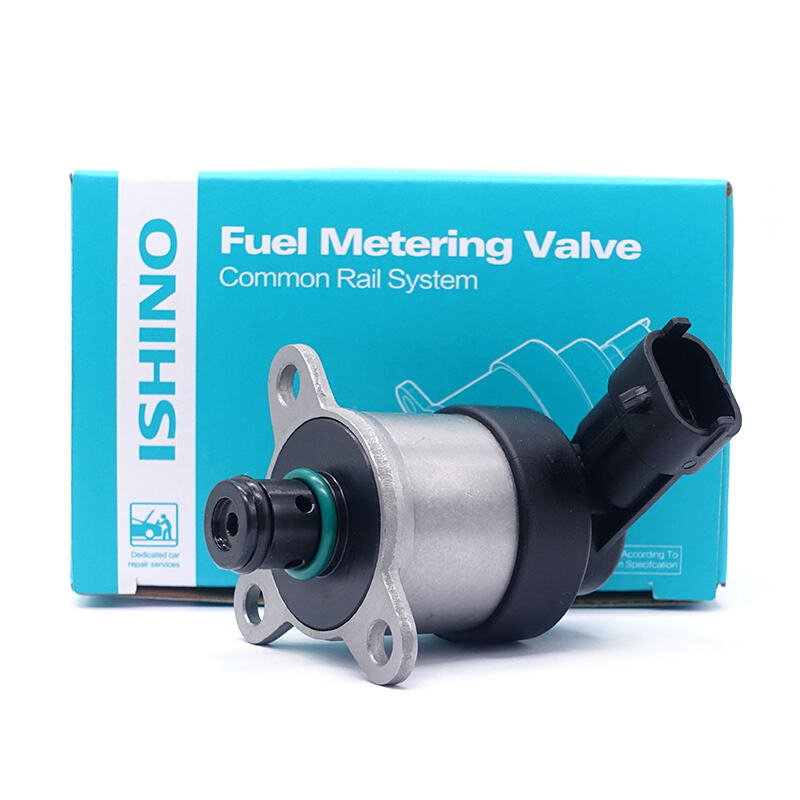
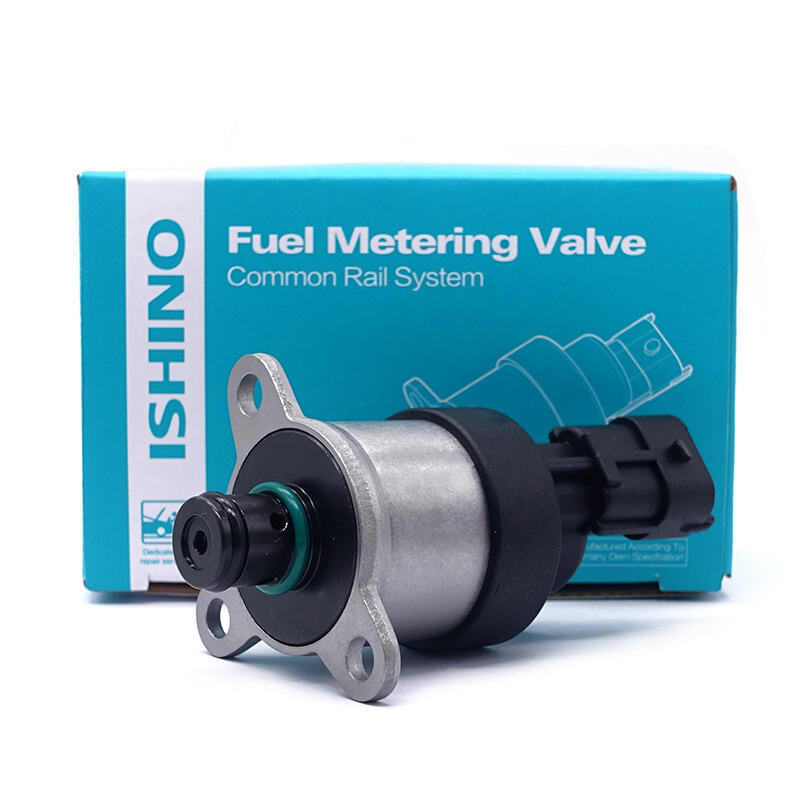
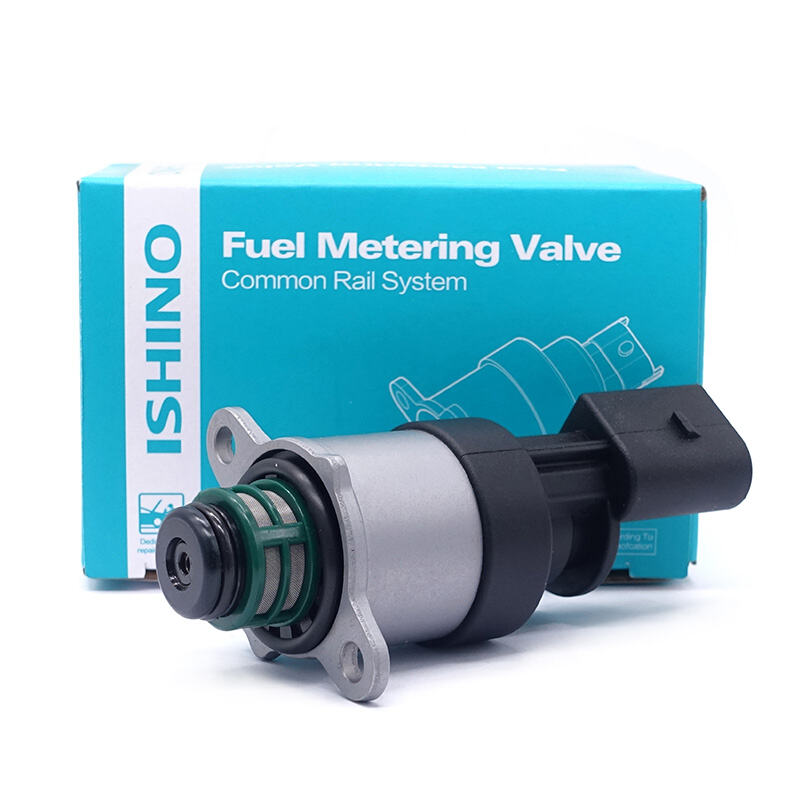
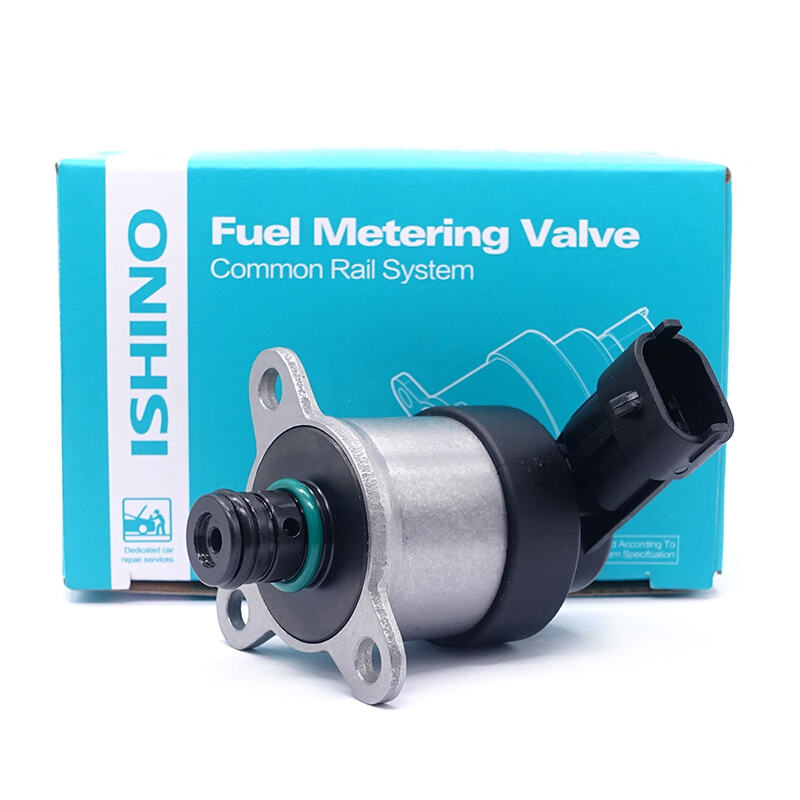
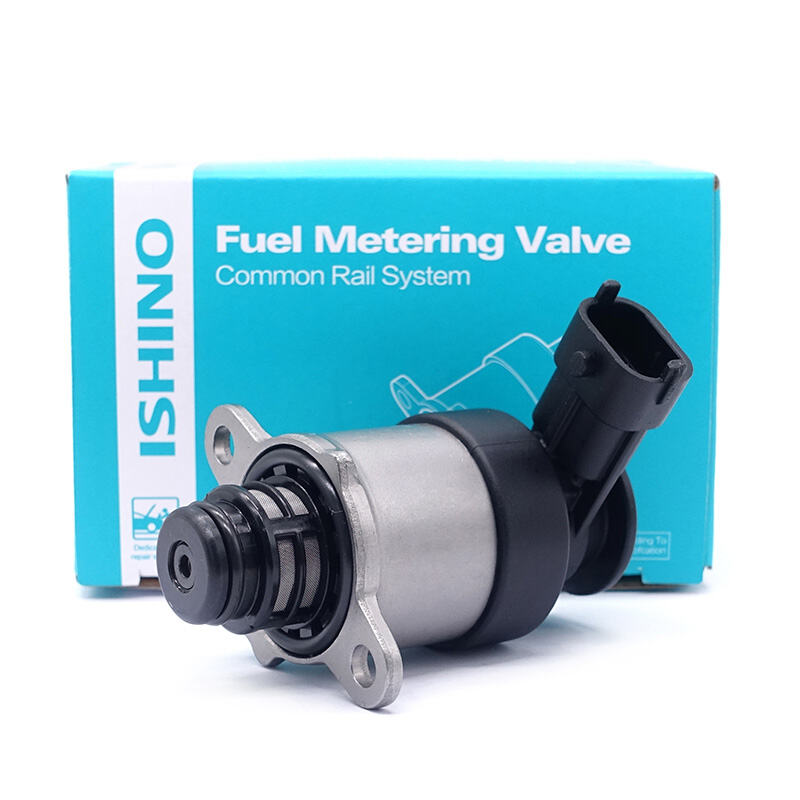
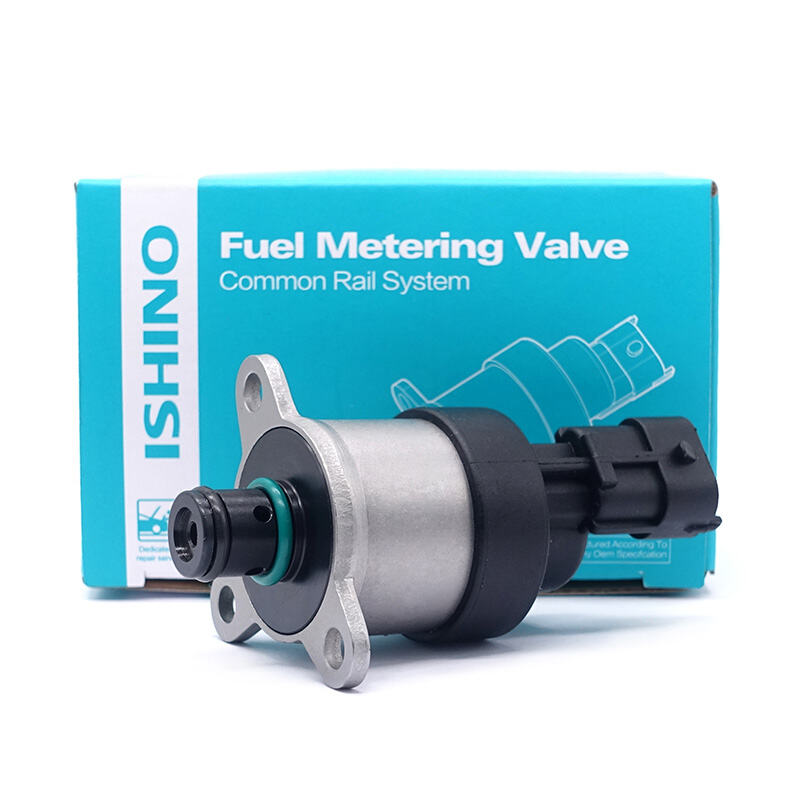
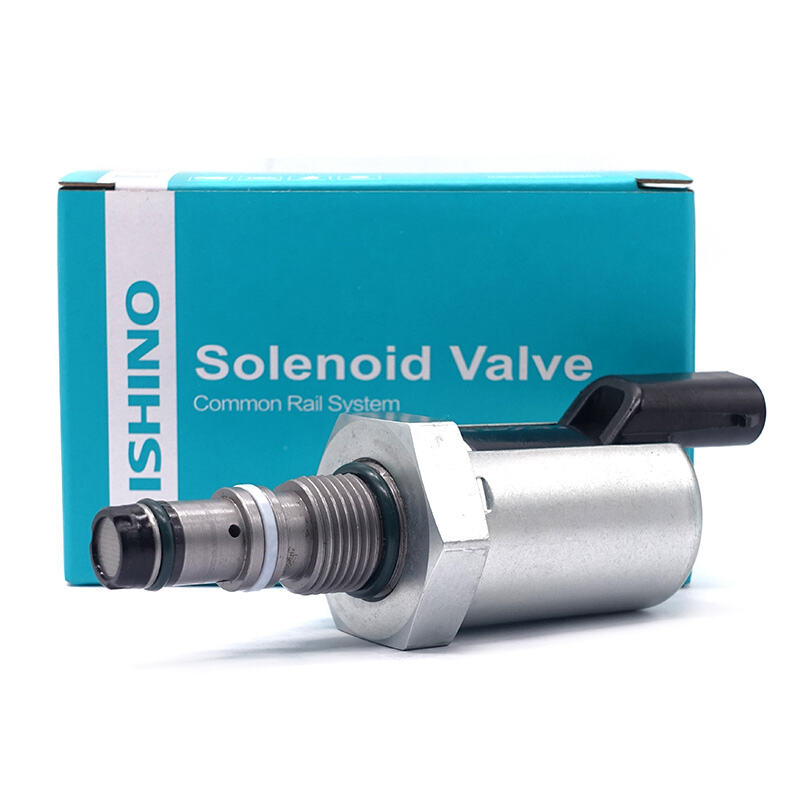
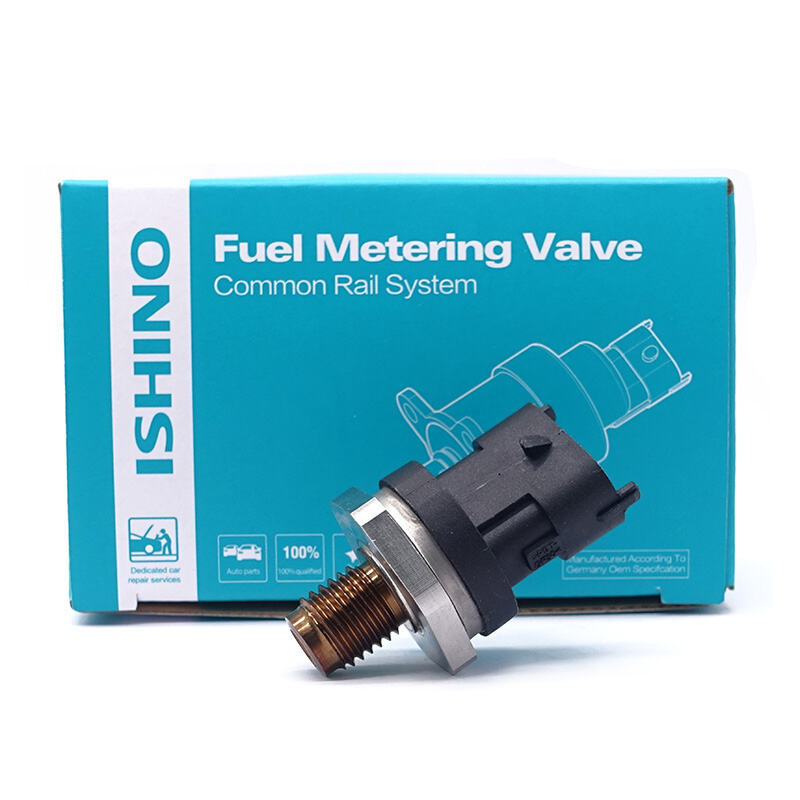
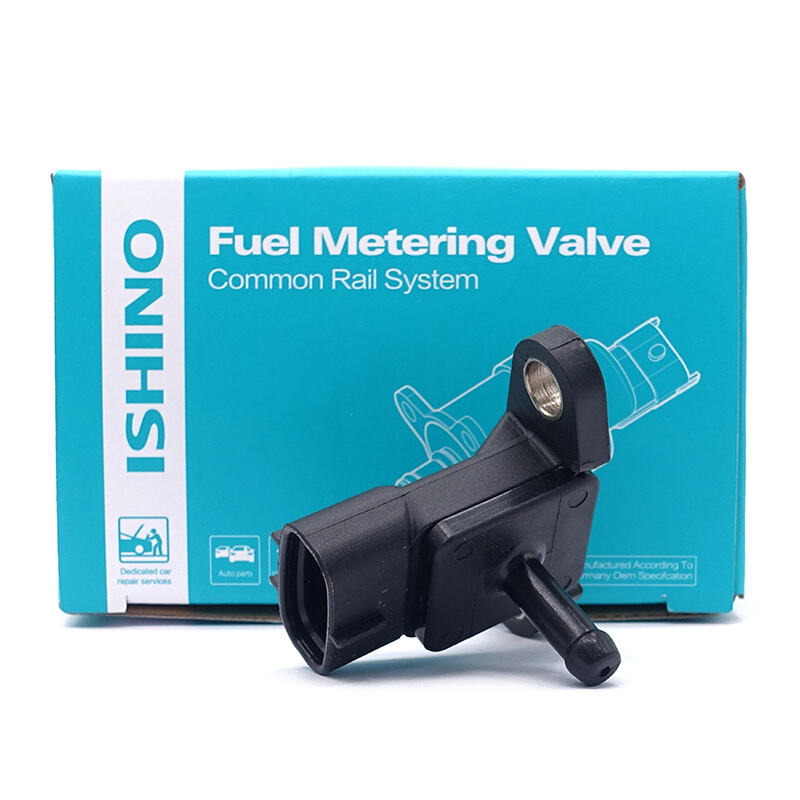
As a critical component of the diesel engine fuel system, the 02C2C40185 9655029880 warrants analysis from an engineering perspective regarding its technical characteristics and pressure regulation mechanism.
This valve operates in conjunction with the high-pressure fuel pump (model 5WS40157) to form a complete fuel inlet metering control unit.
Its technical design emphasizes linearity and repeatability in flow control. The valve port profile is optimized to ensure a strong linear relationship between flow rate and spool displacement, facilitating precise control by the ECU.
Internal moving parts undergo surface treatment to minimize frictional resistance, ensuring stable response characteristics even after prolonged use. The insulation class and thermal resistance of the electromagnetic coil meet the requirements for the sustained high-temperature environment of the engine compartment.
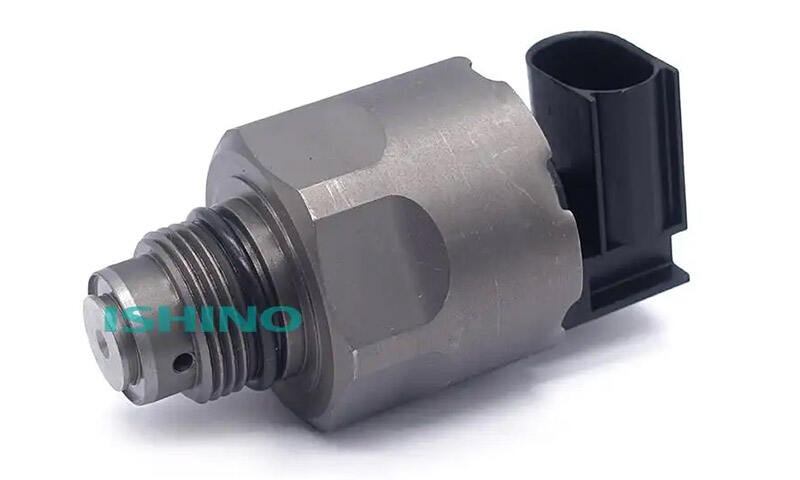
Regarding its pressure regulation mechanism, the operation of the 02C2C40185 9655029880 can be broken down into four stages: signal reception, electromagnetic actuation, spool displacement, and flow regulation. The ECU calculates the target fuel inlet quantity based on current engine speed, fuel injection quantity, and rail pressure feedback signals, transmitting this as a PWM signal to the volume control valve.
The valve's electromagnetic coil converts the electrical signal into mechanical force, overcoming spring preload to actuate the spool. Spool displacement alters the effective flow area of the valve port, thereby regulating the fuel flow rate. This changes the volume of fuel entering the high-pressure pump's plunger chamber, ultimately resulting in a rise or fall in common-rail pressure.
This closed-loop control process operates continuously, with a control frequency sufficient to meet rail pressure regulation demands during transient engine operating conditions.
In maintenance practice for compatible vehicles, the 02C2C40185 9655029880 is frequently encountered in high-mileage diesel vehicles.
Over time, the accumulation of minute impurities from the fuel can cause sluggish valve response, manifesting as increased rail pressure control deviation or uneven power delivery during acceleration. Regularly replacing the fuel filter and using clean, specification-compliant diesel fuel can effectively delay this process.


 86-750-2882555/2880222
 Diesel@ishino.cn